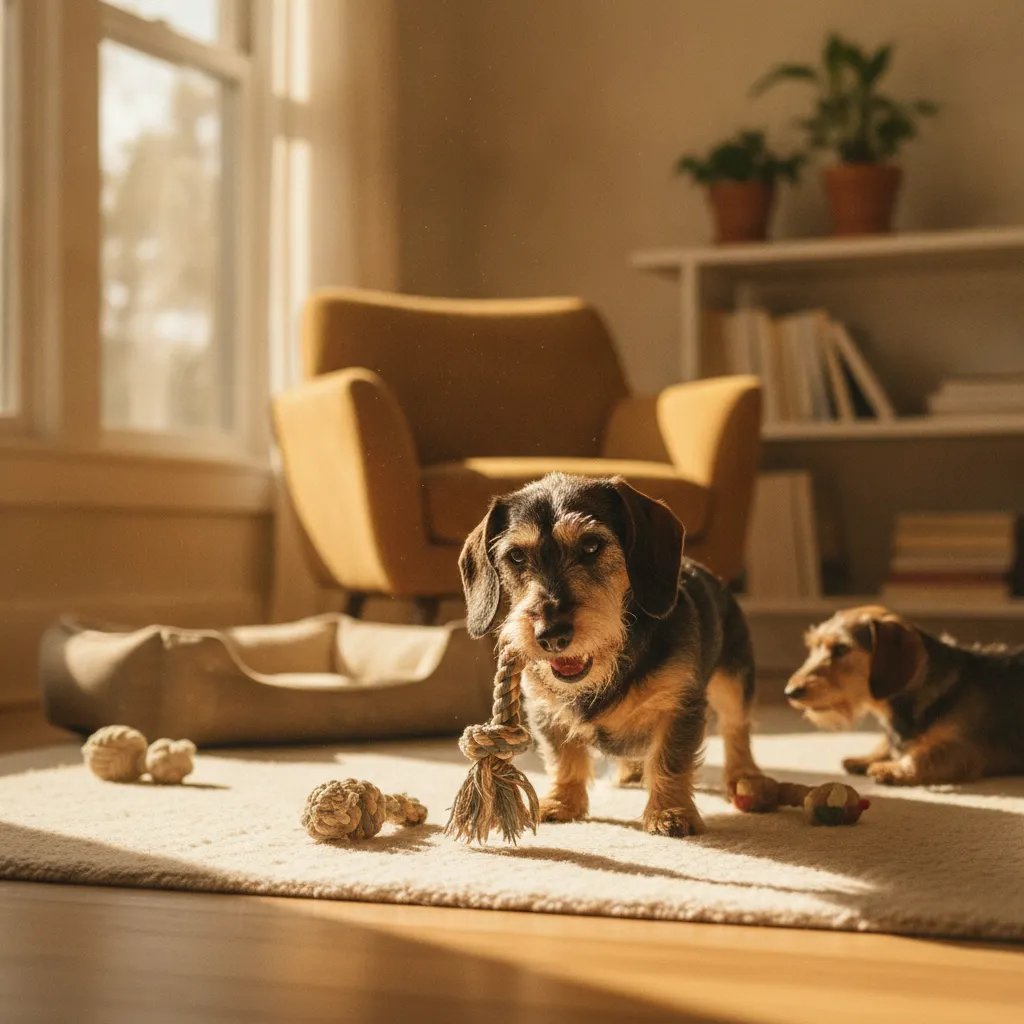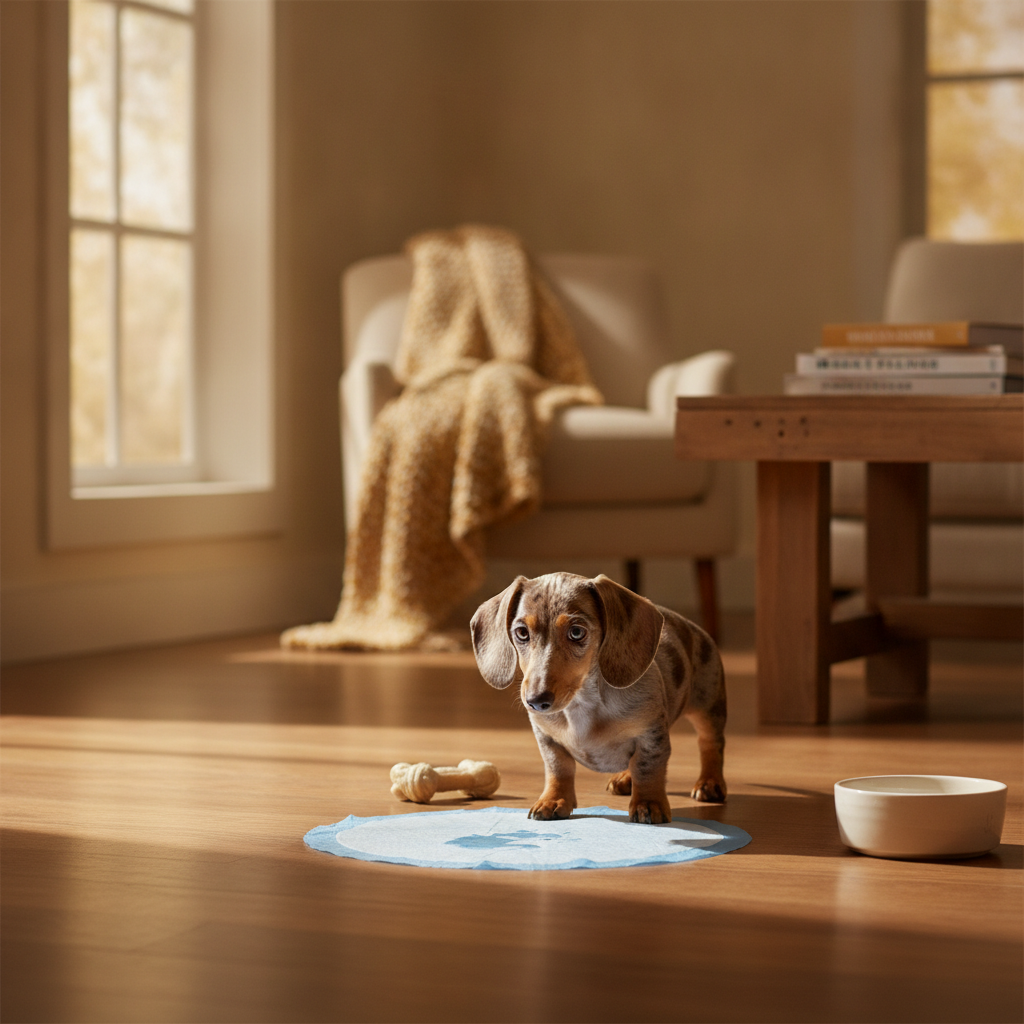
I remember the exact moment I thought I’d made a terrible mistake. I was standing in my living room, staring at a suspicious wet spot on my favorite rug, and my new dachshund puppy, Marley, was looking up at me with those big, soulful eyes. He tilted his head, as if to say, “What? It’s warm, it’s soft, and it’s conveniently located. I see no problem here.” In that moment, I felt a wave of panic. Every book I’d read made it sound so simple. Take them out, praise them, done. But this was different. This was a dachshund. If you’re reading this, you probably know that feeling. You’re not a bad dog parent. You’re just learning that when you decide to potty train a dachshund, you’re not playing by the normal rules.
The Real Reason Your Dachshund Isn't Getting It
Let’s be honest, the frustration is real. You love this little sausage dog more than anything, but you’re starting to feel like a full-time, unpaid janitor. You’ve followed the standard advice. You take them out after meals and naps. You say “No!” when you find an accident (ten minutes after it happened). You might have even covered your floor in puppy pads, only to create a dog who now thinks any rectangular piece of paper is a toilet. You feel like you’re failing, and you’re exhausted from the constant vigilance and the smell of enzyme cleaner.
Here’s the secret no one tells you: what you’ve tried hasn’t worked because it was designed for a Golden Retriever. It was designed for a dog whose primary motivation is to please you. Your dachshund, bless their stubborn heart, has a completely different operating system. Scolding them after the fact is useless; their short-term memory means they have no clue why you’re suddenly upset. They just see their favorite person being scary for no reason. And puppy pads? They just reinforce the idea that peeing inside is an option. You’re not failing; you’re just using the wrong instruction manual for a very specialized piece of equipment.
It’s Not Stubbornness, It’s 600 Years of Badger Hunting
This is the perspective shift that changes everything. Your dachshund isn’t being “bad” or “defiant.” They are being a dachshund. For centuries, these dogs were bred to be fiercely independent. They were sent down into dark, narrow tunnels to hunt badgers—alone, out of sight and earshot of their human. They had to make their own decisions, trust their own instincts, and be single-minded in their pursuit. Pleasing you wasn’t part of the job description.
Think about it from their perspective:
- They are independent thinkers. Their brain isn’t wired for “What does my human want me to do?” It’s wired for “What makes the most sense for me right now?” And often, a warm, soft rug makes way more sense than cold, wet grass. This is the core of what makes them seem so stubborn, a topic I get into a lot in my guide on how to 'speak dachshund'.
- They are low to the ground. That dewy morning grass that looks so lovely to you is a cold, wet shock to their belly and private parts. They have a strong sense of self-preservation and comfort. Why would they choose that over the cozy carpet?
- They have a powerful nose. If they can smell even a faint trace of a previous accident, their brain registers it as a designated bathroom spot. Your human nose is no match for their super-sniffer.
Once you stop seeing it as a battle of wills and start seeing it as a negotiation with a highly specialized, comfort-seeking genius, the whole game changes. You’re not trying to “break” them; you’re trying to make the choice you want (going outside) the most rewarding and logical choice for them.
How to Potty Train a Dachshund: The ‘No Mistakes’ Method
The goal is to make it nearly impossible for your dachshund to have an accident indoors. Every accident reinforces the wrong behavior. Every successful trip outside reinforces the right one. This method is all about relentless management and over-the-top positive reinforcement. It’s not a quick fix, but it’s the fix that actually works for this breed.
Step 1: Create the ‘Can’t-Fail’ Zone
For the first few weeks, your dachshund should not have unsupervised freedom in your house. It’s a privilege they haven’t earned yet. This isn’t punishment; it’s setting them up for success. You have three main tools for this:
- The Crate: Their crate should be a cozy, safe den—not a jail. It should be just big enough for them to stand up and turn around in. Dogs have a natural instinct not to soil their den. Use it for naps, bedtime, and when you can't watch them for a short period.
- The Tether: When they are out of the crate, keep them on a lightweight leash tethered to you. Yes, this means they go from room to room with you. It feels a bit silly, but it means you will instantly see the sniffing, circling, and pre-potty signals, allowing you to intercept and whisk them outside.
- The Puppy Zone: If you need a break from the tether, use baby gates to section off a small, easy-to-clean area like the kitchen. Make sure there’s nothing in this zone you’d be sad about them ruining. This is a key part of creating a dachshund-proof home in general.
The rule is simple: if your eyes are not directly on your dog, they are in their crate, on their tether, or in their puppy zone. No exceptions. This is the hardest part, but it’s the foundation of everything.
Step 2: The Ridiculously Frequent Potty Schedule
You need to take them out more often than you think is remotely necessary. A young puppy’s bladder is tiny. Your schedule should look something like this:
- First thing in the morning, immediately.
- Last thing at night, right before bed.
- Immediately after they wake up from any nap.
- Within 5-15 minutes of every meal.
- Before and after any playtime.
- At LEAST once every hour otherwise. For very young puppies, make it every 30-45 minutes.
Set a timer on your phone. Don’t wait for them to signal. Be proactive. Your goal is to catch them *before* they even realize they have to go.
Step 3: The ‘Potty Party’
When you take your doxie outside, you are on a mission. This is not playtime. Use a specific phrase you will only use for potty time, like “Go potty” or “Hurry up.” Stand still and be boring. The second they start to pee or poop, start praising them in a calm, quiet voice. The moment they finish, throw a party. I mean it. High-pitched voice, “GOOD BOY! YES! GOOD POTTY!” and immediately give them a super high-value treat. This cannot be their regular kibble. It needs to be a tiny piece of cheese, boiled chicken, or a special training treat they only get for this one behavior. Make them feel like they just won the Nobel Prize for peeing on grass. Then, after the treat, you can have a few minutes of fun playtime outside as an extra reward.
Step 4: Become a Forensic Cleaning Expert
Accidents will happen. When they do, your reaction is critical. Do not scold, do not yell, and definitely do not rub their nose in it. If you catch them in the act, make a quick, sharp noise (like “Ah-ah!”) to interrupt them, then immediately scoop them up and take them outside to their spot. If they finish outside, throw a potty party. If you find the accident later, say nothing to the dog. It’s your fault for not managing them closely enough, not theirs. Your only job is to clean it with an almost religious fervor. You MUST use an enzymatic cleaner. Products like Nature’s Miracle are designed to break down the proteins in urine that signal “this is a toilet” to your dog. Regular household cleaners, even with bleach, won’t eliminate this scent for a dog’s nose. Soak the area, let it sit, and blot it up. Be thorough.
Trust the Process, It Works
I remember with my second dachshund, Mia, I followed this method to the letter. It felt like a full-time job for about a month. There were days I was so tired of saying “Go potty!” and standing in the cold. But the system works. Mia was reliably potty trained far faster than Marley ever was, because with her, I understood I wasn't just housebreaking a dog; I was negotiating with a dachshund. She wasn't one of those dogs who lived in fear of disappointing me; she was a dog who needed to be convinced that doing the right thing was also the most rewarding thing for her. It's the same mindset that helps with things like separation anxiety; you have to work with their brain, not against it.
You can do this. It requires a level of patience and consistency that feels almost superhuman, but the freedom on the other side—the freedom of a clean house and a confident, happy dog—is absolutely worth it. You’re not just teaching them where to go to the bathroom; you’re building a language of trust and positive reinforcement that will be the foundation of your entire life together.
This is just one piece of the puzzle to understanding your dachshund's unique and wonderful mind. To really get inside their brilliant, stubborn little heads and understand why they do all the funny, frustrating, and endearing things they do, the next step is to start decoding their behavior.
Get the free Dachshund Behavior Decoder to understand the 'why' behind their quirky habits.
Frequently Asked Questions
Why is my dachshund so hard to potty train?
Dachshunds are challenging to potty train due to their breeding. They were developed to be independent hunters who made decisions on their own, far from their owners. This independence, combined with a strong-willed nature and a love for comfort (warm rug vs. cold grass), makes them less motivated by pleasing you and more motivated by what feels best for them in the moment.
Should I use puppy pads?
Generally, it's best to avoid puppy pads. They can confuse your dachshund by teaching them that going to the bathroom inside the house is an acceptable option. The goal is to establish a clear rule: potty happens outside, and only outside. If you live in a high-rise apartment or have a dog with mobility issues, they can be a necessary tool, but they will likely make the overall training process longer.
How long does it take to fully potty train a dachshund?
Patience is key. While some dogs might catch on in a few weeks, it's realistic to expect the process to take several months for a dachshund. Consistency is more important than speed. Stick to the 'No Mistakes' method, and you will see gradual, steady progress. Don't be discouraged by occasional setbacks.
What should I do if I catch my dachshund having an accident?
If you catch them in the act, make a short, sharp sound like “Oops!” or “Ah-ah!” to interrupt them without scaring them. Immediately pick them up and carry them to their designated potty spot outside. If they finish there, praise them and give them a treat. Never punish or scold them, as this only creates fear and anxiety, which can make house soiling worse.
My dachshund hates going out in the rain or snow. What can I do?
This is a classic dachshund trait! They hate being cold and wet. Try to make it as comfortable as possible for them. Use a doggy raincoat or sweater, and you can even go out with them under a large umbrella. Shovel a small patch of grass for them in the snow. The key is to be consistent and still reward them enthusiastically for doing their business, no matter the weather.
Can I potty train an older dachshund who has bad habits?
Yes, you absolutely can! The principles are exactly the same: strict management, a consistent schedule, positive reinforcement, and thorough cleaning. It may take more time and patience to undo established habits, but an older dog is perfectly capable of learning new rules. Go back to basics as if they were a new puppy and celebrate every success.
dachshund training · potty training · housebreaking · puppy care