The Sound Every Doxie Parent Dreads
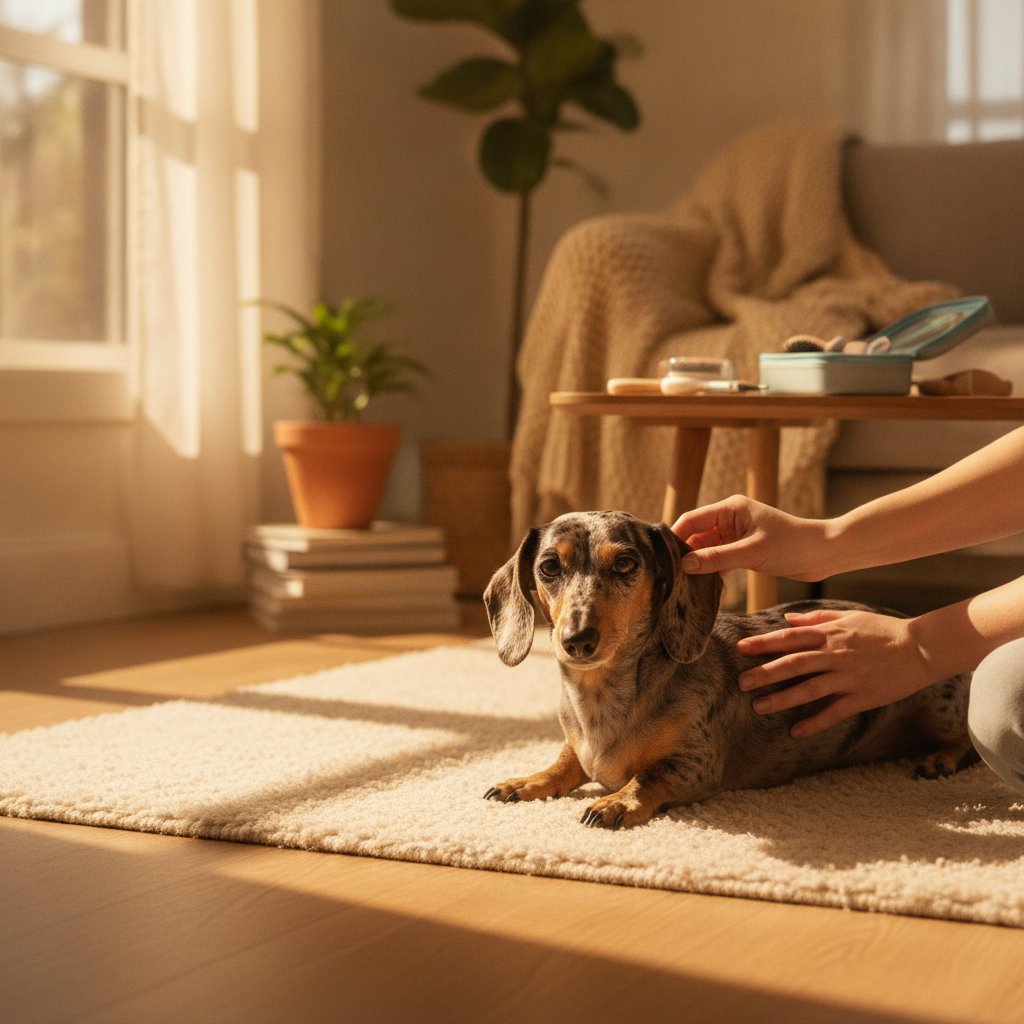
It’s a quiet evening. You’re on the couch, lost in a book, your little sausage snoozing peacefully beside you. You get up to grab a cup of tea, and just as you leave the room, you hear it. The soft thump. It’s a sound that shouldn’t trigger a five-alarm fire in your soul, but for a dachshund mom, it does. Your heart leaps into your throat. You rush back into the living room to see your doxie looking up at you, tail wagging, completely oblivious to the fact that they just took a year off your life by jumping off the furniture. That single moment is why learning how to protect your dachshund's back isn’t just about vet bills; it’s about your own peace of mind.
This constant, low-grade anxiety is something we all live with. Your home, which should feel like a sanctuary, can start to feel like a minefield of potential injuries. Every piece of furniture is a launching pad. Every slippery floor is a potential wipeout zone. The fear of Intervertebral Disc Disease (IVDD) hangs over us like a little cloud. It's a heavy weight to carry, feeling like you have to be a full-time bodyguard for a dog who has the self-preservation instincts of a daredevil.
And we’ve all tried the things that don’t work. We’ve yelled “NO!” a split second after the jump has already happened—about as effective as honking your horn after you’ve already been rear-ended. We’ve piled pillows on the floor, only to find our doxies think we’ve created a fun new crash pad just for them. We try to train them not to jump, which is like trying to train a fish not to swim. It goes against every fiber of their being. They want to be up high with their people. These solutions fail because they are reactive, not proactive. They fight against your dachshund’s nature instead of working with it.
The big shift for me, after almost 20 years with this breed, was realizing this: The problem isn't your dachshund's behavior. It's their environment.
Your doxie isn't being naughty when they leap off the sofa. They're just being a dog, living in a world built for humans with much longer legs. So, stop trying to change the dog. Instead, let's change the world around them. Dachshund-proofing your home isn't about locking them up or restricting their fun. It's the opposite. It's about creating a safe world where they can be their quirky, stubborn, wonderful selves without you having a panic attack every ten minutes. It’s about freedom—for them and for you.
How Can I Proactively Protect My Dachshund's Back?
Creating a safe home isn't about a massive, expensive renovation. It's about a few smart, simple changes that make a world of difference. Think of it as setting up a playground with padded mats instead of concrete. Here are the five key areas that have brought so much peace to our home with Marley and Mia.
1. The Ramp Revolution: Your New Best Friend
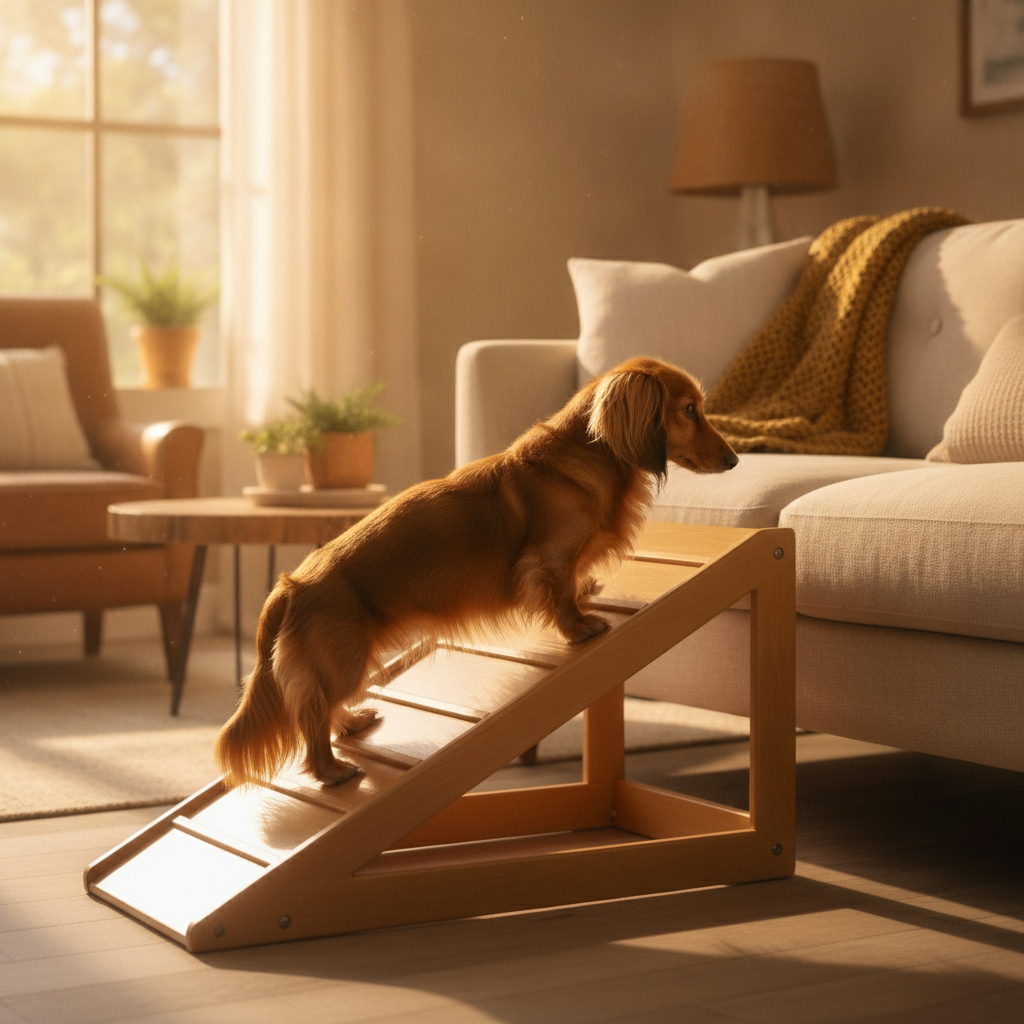
If you make only one change, let it be this. Jumping on and, more importantly, off furniture is one of the biggest risks for a dachshund's spine. The impact of landing, even on carpet, sends a shockwave right up their long little back. Stairs for dogs can be better than nothing, but they still create a series of small, jarring impacts. Ramps are the gold standard.
A good ramp provides a gentle, smooth incline that allows them to walk up and down from the couch or bed without any concussive force. The key is to get a ramp with a non-slip surface and a very gradual slope. It took Marley a few days to get the hang of it, but with a trail of tiny treat breadcrumbs and a lot of praise, he started using it like a pro. Mia, of course, acted like she invented the concept and used it on the first try. The goal is to make the ramp the easiest, most obvious path to their favorite spot. Place it right where they normally jump up and down. Soon, it becomes second nature.
2. Fortify Your Floors: The End of the 'Bambi on Ice' Routine
We love our hardwood and laminate floors, but for a low-slung sausage dog, they can be treacherous. When their little legs splay out during an excited zoomie session, it puts a tremendous amount of torque on their spine. You can almost see the twist happening in slow motion. This is an easy fix.
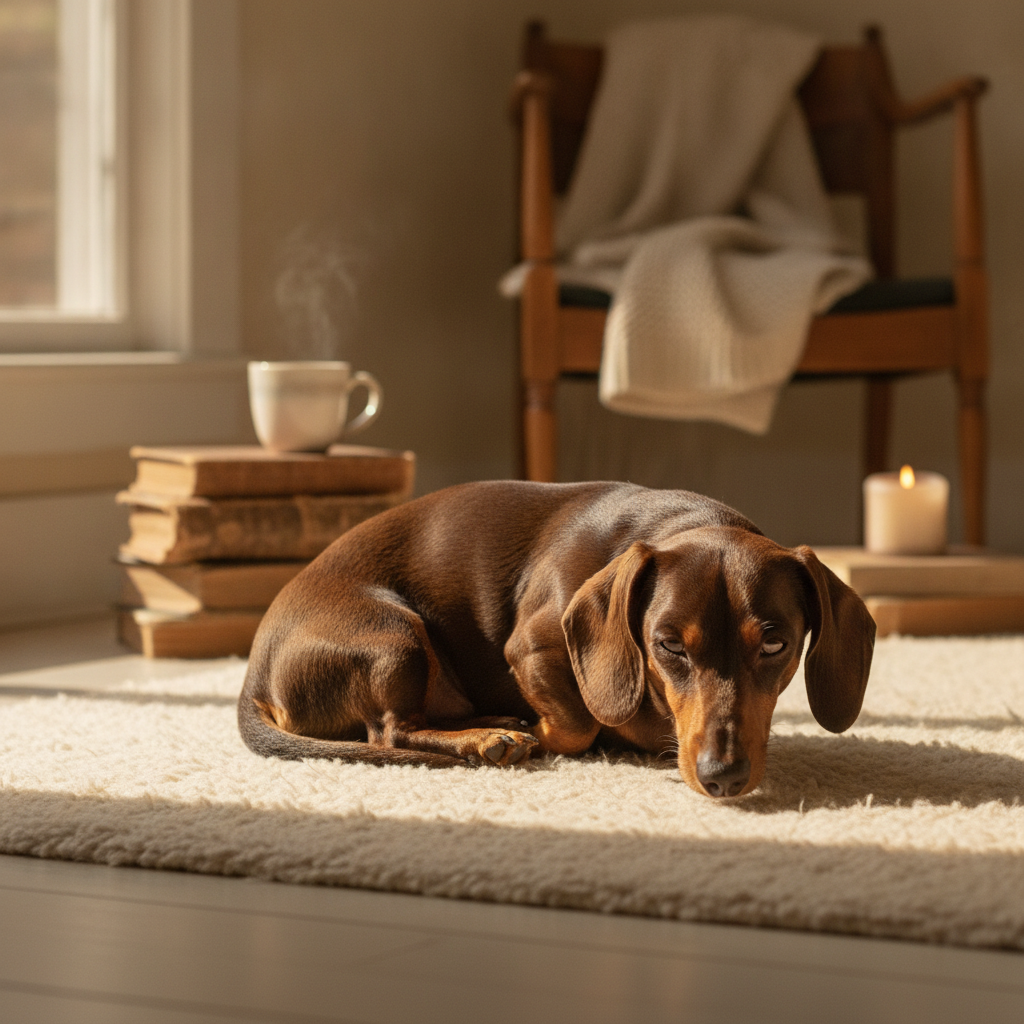
Strategically placed runner rugs in high-traffic hallways and area rugs in living spaces provide the grip they need to move confidently. You don't have to carpet your entire house. Just identify their main "runways"—from the couch to the door, around the kitchen island—and give them a safe path. Yoga mats are also a fantastic, inexpensive option for smaller areas. Another crucial part of floor safety is nail care. Keeping their nails trimmed and the fur between their paw pads clipped allows them to get maximum traction. It's like giving them a new set of all-terrain tires.
3. Gate Your Gaps and Block the Drops
Open staircases are the most obvious danger zone. A dachshund tumbling down a full flight of stairs is a nightmare scenario. A sturdy baby gate at the top and bottom of the stairs is non-negotiable in a multi-level home. But think beyond the stairs. Are there gaps behind your sofa where they could fall? Or a wobbly armchair they love to launch themselves from? Take a walk through your house from your dachshund's point of view.
This isn't about putting them in jail. It's about thoughtfully curating their space to eliminate the highest risks. For us, it meant putting a gate up to the main staircase and rearranging some decorative boxes behind a bookshelf Mia thought was a secret tunnel. It's a five-minute fix that prevents a lifetime of worry.
4. Master the Art of the Lift and Carry
This is one of the most important and completely free ways you can protect your dachshund's back every single day. Never, ever pick up your doxie by scooping them under their front legs, leaving their back end to dangle. This puts all their weight on their spine and can cause serious strain.
The correct way is the "full-body scoop." Slide one hand under their chest, right behind their front legs. Slide your other arm under their rump and back legs. Lift them with both hands, keeping their spine straight and parallel to the ground, like you're carrying a plank of precious wood. When you put them down, lower them all the way to the floor before letting go. Teaching this to everyone in the house, especially kids and visitors, is a critical part of dachshund ownership. It turns a moment of potential danger into a moment of secure support.
5. Play Smart, Not Hard
Dachshunds are tenacious, playful little dogs, but their play style needs to be managed. High-impact activities are off the table. That means no more leaping into the air to catch a frisbee or ball. It also means being careful with games like tug-of-war; a gentle pull is fine, but aggressive yanking and twisting is a recipe for disaster.
Instead, lean into their natural instincts for safe, engaging fun. Scent work games, where you hide treats around the room for them to find, are fantastic mental stimulation. Puzzle toys keep their brilliant little minds busy. A gentle game of fetch with a ball that rolls along the ground is much safer than one that bounces high. And of course, never underestimate the joy they get from simply burrowing. As I've written before, a dachshund's love for burrowing is a safe and satisfying instinct to encourage. Smart play burns energy without risking their back.
Peace of Mind is the Goal
When Mia was a puppy, she was a fearless (and clumsy) acrobat. She once tried to leap from the arm of the sofa to the coffee table and did a complete face-plant. My heart stopped. Thankfully, she was fine, just a little embarrassed. But that was the moment I got serious about dachshund-proofing. We got the ramps, put down the runners, and taught everyone the proper way to lift her. The change wasn't just in the house; it was in me. The constant hum of anxiety faded. I could finally relax, knowing I had done everything I could to create a safe environment for her and Marley.
These changes aren't about bubble-wrapping your dog. They are about giving them the freedom to be a dachshund, and giving you the freedom from constant worry. It’s a true win-win.
If you're wondering which ramps or non-slip rugs I trust with my own two sausages, I've put together a list of the gear that has truly made a difference in our home. This isn't about selling you stuff; it's about sharing what works. My goal is to help you see the doxie gear I trust to protect that long little back.
Frequently Asked Questions
Are stairs really that bad for dachshunds?
Yes, they can be quite dangerous. Going down stairs is especially hard, as it forces repetitive, high-impact landings that jolt their long spine. While a few stairs occasionally may be unavoidable, a full flight every day is a significant risk factor for back injuries. Ramps are always the safer choice.
My dachshund refuses to use the new ramp. What can I do?
Patience and positive reinforcement are key! Start by placing high-value treats (like tiny pieces of chicken) in a trail up the ramp. Don't force them. Just praise and reward any interaction, even if it's just sniffing it. Make it the most wonderful place to be, and eventually, they'll see it as the best way to get to their favorite spot.
How can I protect my dachshund's back when we're not at home?
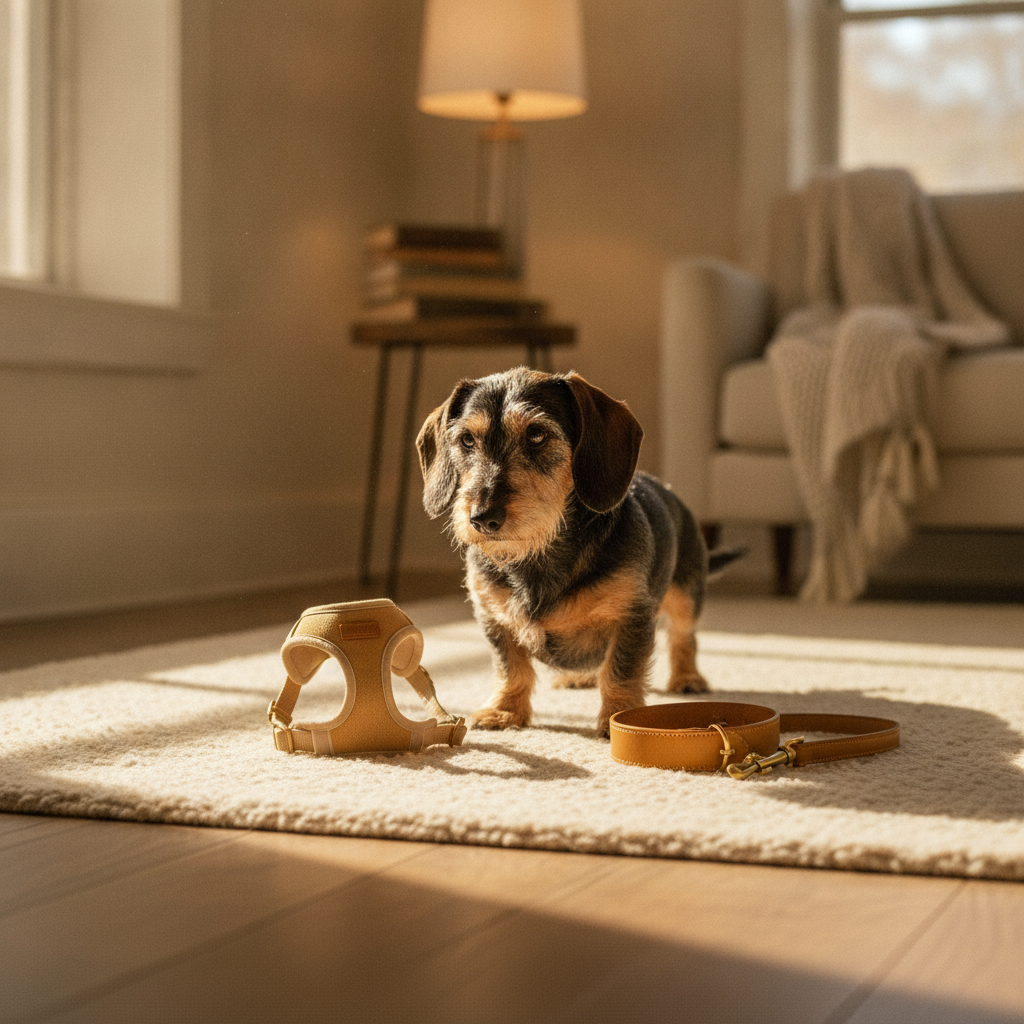
Great question! Always use a harness instead of a collar for walks to avoid pressure on their neck and back. When getting them in and out of the car, lift them—don't let them jump. Be mindful in new environments, like a friend's house with high furniture, and don't hesitate to ask that they not be allowed to jump.
Is IVDD purely genetic, or is it caused by injury?
It's a combination of both. Dachshunds are genetically predisposed to IVDD because of their unique body shape. However, lifestyle and environment play a massive role in whether that predisposition ever becomes a full-blown crisis. Managing their weight, activity, and home environment is the best way to protect your dachshund's back from injury.
What are the first signs of a back problem I should look for?
The most important rule is that a sudden change in behavior is a red flag. Look for reluctance to move, play, or jump; a hunched back or tense belly; crying out when touched or picked up; or a wobbly, uncoordinated walk. If you see any of these signs, don't wait. Call your vet immediately.
Does keeping my dachshund at a healthy weight really help?
Absolutely. It's one of the most critical things you can do to protect your dachshund's back. Every extra pound adds significant strain to their long spine, increasing the pressure on their discs. A lean, fit dachshund is a much healthier and safer dachshund.
dachshund health · IVDD prevention · dog safety · home safety for dogs