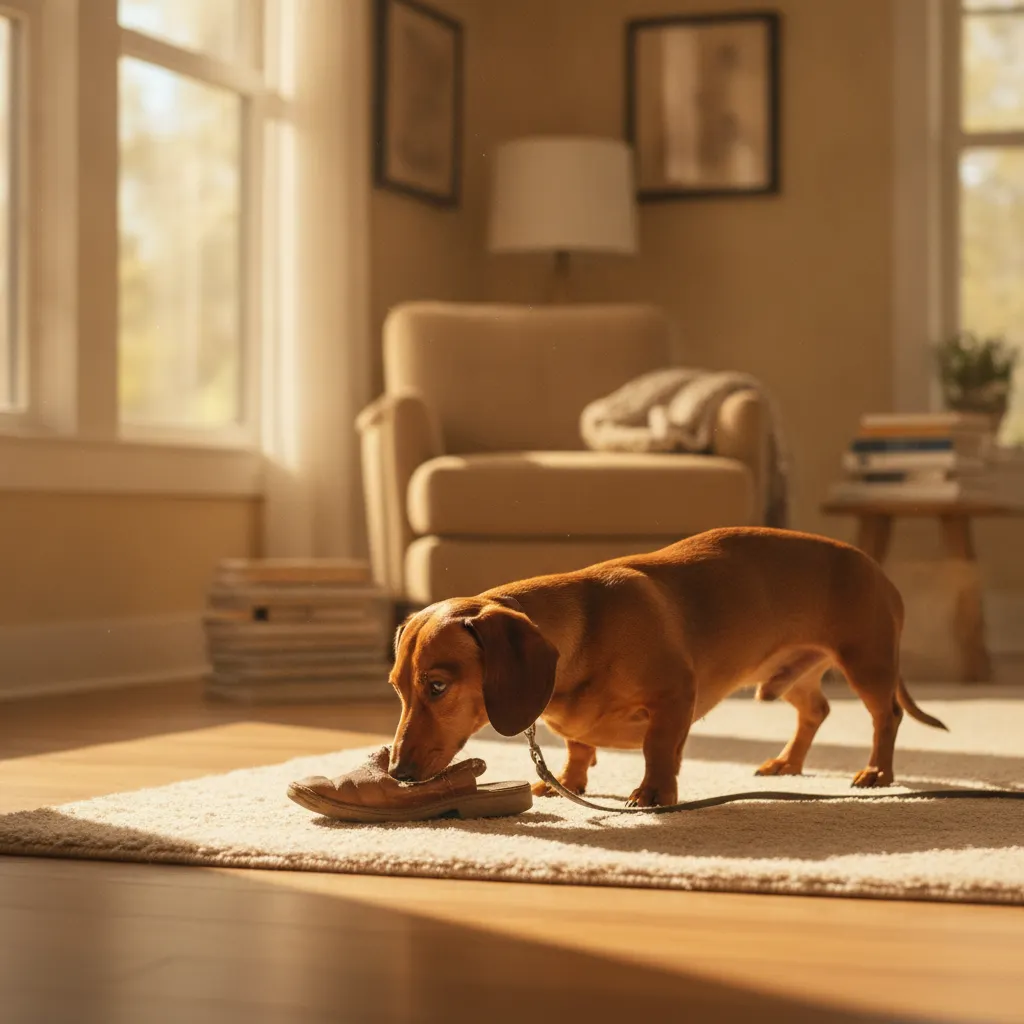
You grab the leash, your doxie does that excited spin-and-squeak combo, and you head out the door for a nice, brisk walk. At least, that’s the plan. Five feet from the driveway, the brakes screech on. The nose goes down, the tail gives a little helicopter whirl, and you are now an anchor, tethered to the most fascinating patch of grass in the entire world. You tug gently. “Come on, buddy.” Nothing. You pull a little harder, jiggle the leash. You’re met with that classic dachshund side-eye that says, “Excuse me, I’m reading my email.” This scene repeats every ten feet. The brisk walk becomes a frustrating, stop-and-start shuffle. You feel your blood pressure rising. You just wanted to get some exercise, but instead, you’re in a silent battle of wills with a one-foot-tall dictator.
If this sounds familiar, you’re not alone. This is one of the biggest frustrations I hear from doxie parents. They feel like their dog is being stubborn, disobedient, or just plain difficult. You see other people with their dogs trotting happily beside them and wonder, “What am I doing wrong?” The walk, which is supposed to be a joyful bonding experience, turns into a source of daily stress. You worry they aren't getting enough physical exercise, and you feel a little embarrassed that your dog seems to be ignoring you completely.
Why a 'Normal' Walk is a Battle You Can't Win
For years, I fell into the same trap. I tried everything to get my dachshunds, Marley and Mia, to walk in a straight line for more than thirty seconds. I tried shorter leashes to keep them close, which just felt like I was dragging them. I tried using high-value treats to lure them forward, which worked until the treat was gone, and then the nose went right back down. I’d make pleading, cajoling noises. I’d make firm, commanding noises. Nothing worked for long.
The reason none of these “solutions” work is that they are all based on a fundamental misunderstanding of what a walk is for a dachshund. We think the goal is physical exercise and moving from Point A to Point B. They think the goal is information gathering. We’re trying to go to the gym; they’re trying to go to the library. When you try to pull them away from a smell, you are, in their mind, slamming a fascinating book shut right in the middle of a chapter. It’s not disobedience; it’s a profound conflict of interest.
Your doxie isn't being bad - they are being a Dachshund. Their entire history, their very DNA, is screaming at them to follow their nose. They were bred for centuries to track badgers underground in the dark. Their nose was their primary tool for survival, navigation, and communication. It’s not just a sense; it’s their entire world.
To deny them the chance to sniff is to deny them the very core of their being. It creates stress, frustration, and anxiety, which ironically, often leads to more “bad” behaviors at home. The pulling, the commands, the tug-of-war… it all damages the trust between you and your dog because you’re constantly telling them that their most important instinct is wrong.
The Reframe: Introducing 'Sniffari Walks'
The moment everything changed for me and my dogs was when I stopped trying to *control* the walk and started trying to *participate* in it. The problem wasn't my stubborn dog; it was my rigid expectation of what a walk should be. The solution is to change the goal. Instead of a march, think of it as a safari for the nose. This is the simple but powerful concept of sniffari walks.
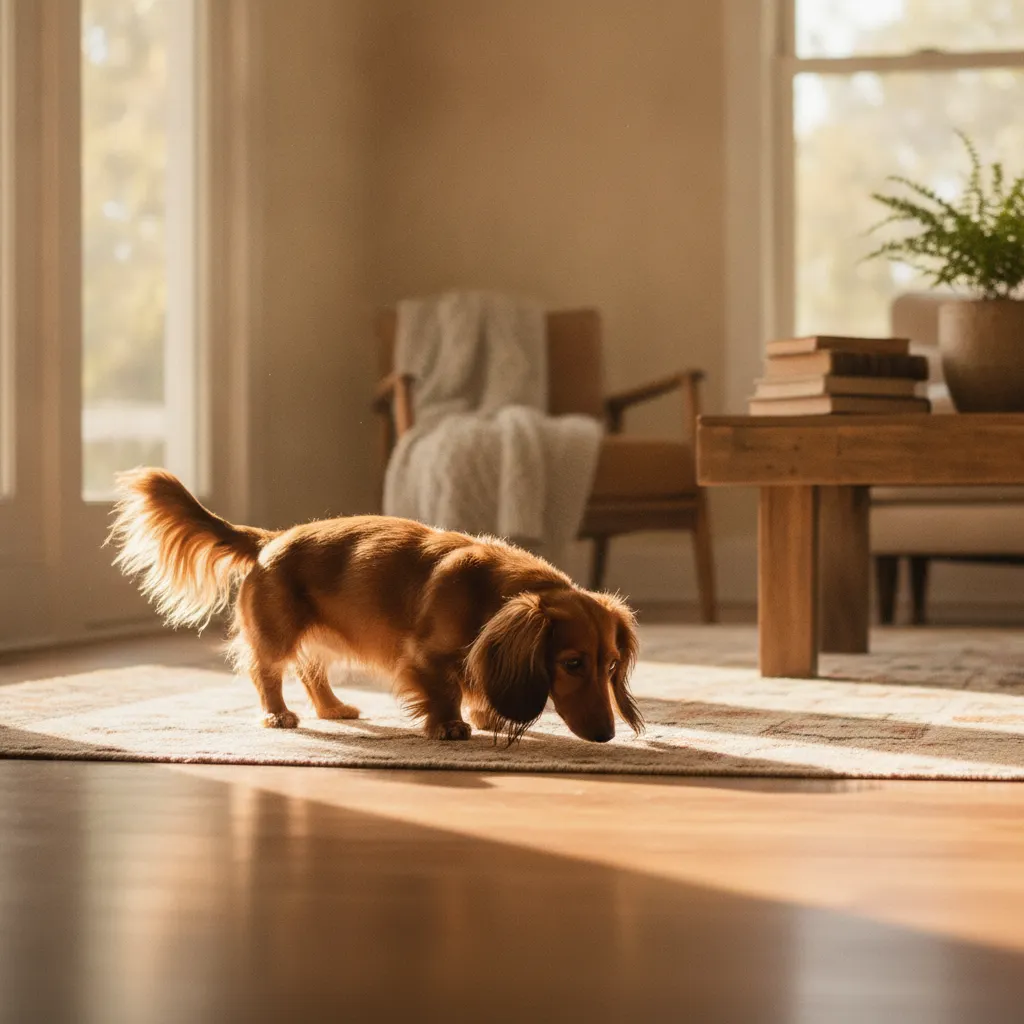
A sniffari walk is a walk where the dog is in charge of the pace and the direction. The primary goal is not distance covered, but mental enrichment. You are not the tour guide; you are the quiet security guard, there to make sure they stay safe while they explore their world. This one mental shift turns a frustrating chore into a fascinating window into your dog’s mind. You start to see the world as they do: a rich tapestry of stories written in scent that you were completely blind to before. You'll notice the spots they return to again and again, you'll see them get visibly excited when they catch a new scent on the wind, and you'll witness the intense concentration on their face as they decipher who has been there before them.
How to Go on a Proper Dachshund Sniffari
Ready to trade frustration for fascination? Here’s the practical guide to embracing sniffari walks and transforming your daily routine. It’s less about a rigid training plan and more about a new philosophy.
1. Get the Right Gear
Your equipment signals your intent. For a sniffari, you need to give them freedom to explore safely.
- A Long Line: Ditch the short, 4-foot leash. A 10, 15, or even 20-foot long line is ideal. It gives your doxie the space to follow a scent trail without you hovering right over them. A lightweight biothane or nylon leash is perfect as it won't get too heavy or tangled.
- A Back-Clip Harness: Never, ever clip a long line to a collar. A sudden stop can seriously injure their neck and back. A comfortable, well-fitting Y-shaped harness that clips on the back is essential for protecting that long little back. It distributes pressure evenly and allows for natural movement.
2. Change Your Mindset
This is the most important step. Before you even leave the house, tell yourself: “This walk is for my dog.” Let go of any goals about distance, time, or pace. Put your phone away. The point is to be present with your dog and let them have this time. If you spend 20 minutes exploring a single 30-foot stretch of curb, that is a wildly successful sniffari.
3. Let Them Lead
Once you’re outside, your job is simple: follow the nose. When they stop, you stop. Let them spend as much time as they want in one spot. You will be amazed at how long they can sniff a single blade of grass. They are processing complex information—which dog was here, were they male or female, stressed or relaxed, what did they eat? It’s incredibly complex work. Your job is to hold the end of the leash and be patient.
4. The Benefits Are Huge (and Not Just for Them)
You might think this sounds lazy, or that your dog isn’t getting “real” exercise. The opposite is true. The benefits of regular sniffari walks are profound.
- It’s Mentally Exhausting: Studies have shown that 20 minutes of intensive sniffing is more tiring for a dog than a 60-minute run. They have to use so much brainpower to process all that scent information. A dog that has had a good sniffari is a calm, sleepy, and contented dog at home. This can be a huge help for dogs who struggle with chewing or other destructive behaviors born of boredom. If you need help with that, our guide to chewing can offer more ideas.
- It Reduces Stress and Anxiety: Forcing a dog to walk in a heel or constantly pulling them away from smells increases their cortisol (stress hormone) levels. Allowing them to sniff and engage in this natural behavior has been shown to lower cortisol, making them calmer and more relaxed overall. It’s a form of canine meditation. For doxies prone to anxiety, this can be a true gift. We talk more about this in our guide to helping anxious dachshunds.
- It Builds Confidence: On a sniffari, your dog gets to make choices. They decide where to go, what to investigate, and for how long. This autonomy is a massive confidence booster, especially for timid or fearful dogs. They learn to trust their own instincts and navigate their environment with purpose.
- It Strengthens Your Bond: When you honor your dog’s needs and participate in an activity on their terms, you build incredible trust. You’re no longer the drill sergeant barking orders; you’re the trusted partner who understands and respects them. This quiet, shared experience is one of the most powerful ways to deepen your relationship.
I see it with Marley every day. On days we do a quick “business walk,” he’s still buzzing with energy when we get home. But after a 30-minute sniffari where he gets to read the entire neighborhood logbook, he comes inside, drinks some water, and curls up for a solid nap. He’s fulfilled. He’s done his “work” for the day. It has completely changed our dynamic and made our time outside peaceful and enjoyable for both of us. If your dog is particularly stubborn about walking, a sniffari approach can completely reframe the experience, a topic we explore more in our article on the stubborn stroll.
Embracing sniffari walks is about seeing your dachshund for who they are: a brilliant detective, not a disobedient pet. It’s one of the kindest, most respectful things you can do for them. It costs nothing, requires no special training, and will give you back a happier, calmer, more contented companion.
Understanding their nose is just the first step. If you want to finally decode why they burrow, why they bark at everything, and why they give you that famous side-eye, I’ve put all my secrets together for you. It's like a translation dictionary for your doxie's quirky soul. Get the free Dachshund Behavior Decoder and become an even more confident doxie parent.
Frequently Asked Questions
How long should a sniffari walk be?
It's less about distance and more about quality time. A 20-30 minute sniffari where your dog is deeply engaged in sniffing is far more beneficial than a one-hour forced march. Watch your dog for signs of happy tiredness, not physical exhaustion.
Won't letting my dog lead on sniffari walks encourage pulling?
Not if you use different cues and equipment. Use the long line and harness exclusively for sniffari walks, signaling to your dog that this is their time to explore. For times you need them to walk beside you, use a shorter leash and a specific cue like “with me.”
My dachshund wants to sniff *everything*. How do I keep them moving at all?
The whole point of sniffari walks is to *not* keep them moving! Embrace the stillness. However, if you genuinely need to move on (e.g., to cross a street), use a happy, upbeat cue like “let's go!” and reward them with a small treat when they re-engage with you, then let them sniff again as soon as it's safe.
Is a sniffari walk enough exercise for my dachshund?
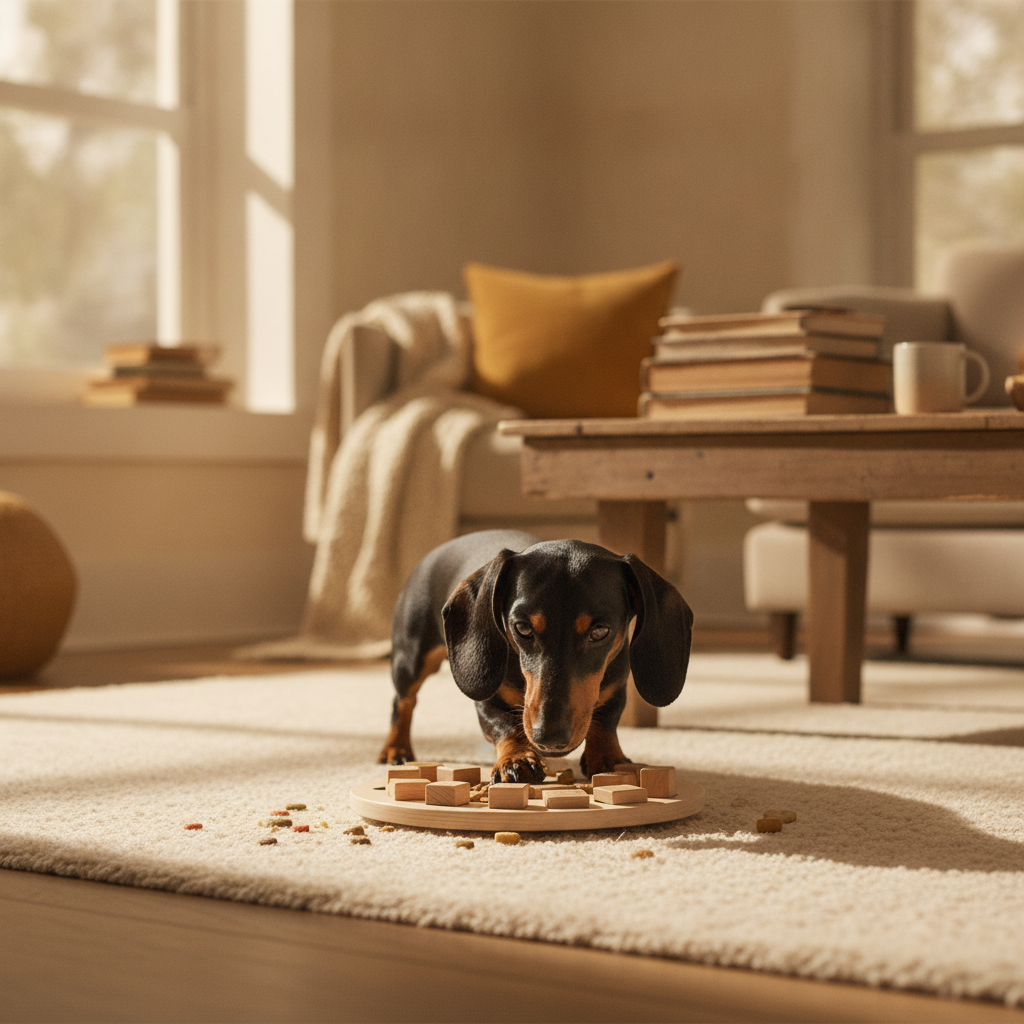
It provides incredible mental exercise, which is often more tiring and important for dachshunds than intense physical exercise. Combine daily sniffari walks with some safe, low-impact play (like gentle fetch or puzzle toys) for a perfectly balanced and happy wiener dog.
What's the best place to go for a sniffari walk?
Anywhere with new smells! You don't have to go far. A different route around your neighborhood, a local park, or a quiet trail can be a scent paradise for your doxie. Even your own front yard can be a great spot for a quick sniffari.
Can this help my reactive or fearful dachshund?
Absolutely. Sniffing is a calming activity that can lower stress. Allowing a fearful dog to gather information about their environment at their own pace can build confidence and reduce reactivity over time. It gives them a sense of control, which is crucial for anxious dogs.
dachshund behavior · dog walking · enrichment · sniffing