I used to think my dachshunds, Marley and Mia, needed a big, grassy yard to be happy. I pictured them chasing squirrels, sunbathing on the lawn—the whole nine yards, literally. So when we had to downsize into an apartment, a wave of guilt washed over me. I felt like I was taking away their kingdom and handing them a cage. Would they be bored? Anxious? And the thought that kept me up at night: would this new, smaller life be a disaster for their long little backs?
If you're facing a similar move, I see you. The worry is real. You're not just changing your address; you feel like you're downgrading your dog's entire world. The internet is full of pictures of doxies on sprawling farms, and here you are, contemplating a potty patch on a balcony. It’s easy to feel like you’re failing them. This is the heart of the problem for so many of us who are navigating dachshund apartment living: we carry a heavy worry that a smaller space means a smaller, less safe, and less happy life for the little dogs we adore.
You’ve probably already tried to solve this impending problem in your head. Maybe you’ve promised yourself you’ll do three long walks a day, rain or shine. You’ve bookmarked a dozen complicated puzzle toys that you’re not sure how to use. You’ve considered leaving the TV on Animal Planet all day as a substitute for a window with a view of squirrels. These are all well-intentioned ideas, but they’re just bandages. They don’t address the fundamental shift in your dog's environment. More walks can lead to leash reactivity on busy city streets, a pile of toys can just become noisy clutter, and the TV is, well, just a TV. These solutions fail because they try to replicate the *space* of a yard, not the *purpose* of it—and they completely miss the biggest opportunity you’ve just been given.
The Great Reframe: Why Your Apartment Is a Back-Safety Upgrade
Here’s the secret I learned, the one that turned my guilt into relief: a big yard isn't a dachshund paradise; it's an uncontrolled liability. Think about it. A yard has uneven ground, hidden holes from digging, and the constant temptation for explosive, spine-twisting sprints after a leaf blows by. And one of the biggest risks? The steep deck stairs they have to navigate just to get to it. A yard is an IVDD risk factor you can’t fully control.
An apartment, on the other hand, is a blank canvas. It is the single most controllable environment you can create for your dachshund. Every single variable is in your hands. The flooring, the furniture height, the pathways, the stimuli—all of it. Downsizing isn't a downgrade for your doxie; it's the ultimate upgrade in safety, intentionality, and peace of mind for you. You are not taking something away. You are building them a custom-designed, back-safe palace where you are the loving architect. This is the core of dachshund-proofing your life: seeing the world through their long-and-low perspective and engineering it for their safety.
The 'Balcony Life' Blueprint: Your 3-Part Plan for a Thriving Apartment Doxie
Okay, so we’ve shifted our mindset. Now, let’s get practical. Turning your new space into a doxie haven isn’t about grand gestures; it’s about a series of small, thoughtful adjustments. I call it the 'Balcony Life' Blueprint, and it focuses on three key areas: The Ground Floor, The Brain, and The Neighbors.
Part 1: The Ground Floor - Engineering a Back-Safe Zone
The single most important thing you can do in your new apartment is manage the physical environment. Slippery floors and high-flying furniture acrobatics are the primary enemies of a healthy dachshund spine.
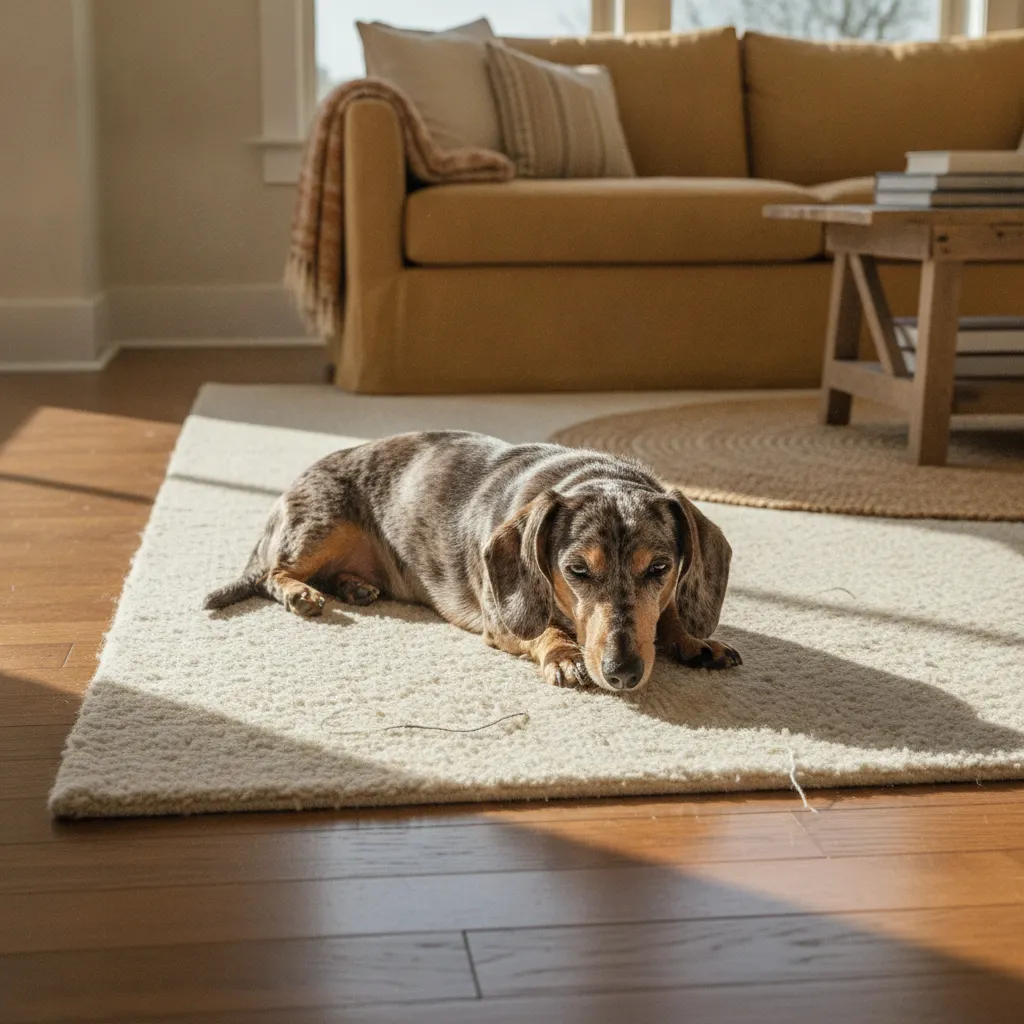
The Floor is Lava (But with Rugs)Hardwood, laminate, and tile floors are like ice rinks for little doxie paws. Every slip, slide, and scramble to gain traction puts torque on their spine. The solution is simple and non-negotiable: rugs. Lots of them. You need to create safe, grippy pathways between all the key areas—the sofa, their bed, the water bowl, the front door. Think of it as building a highway system for your low-rider. This isn't just about one area rug in the middle of the room. It’s about runners down hallways and mats in front of furniture. For a deep dive into this, our guide on choosing the right rugs for a dachshund is your best friend. This one change can dramatically reduce the daily micro-traumas on their back.
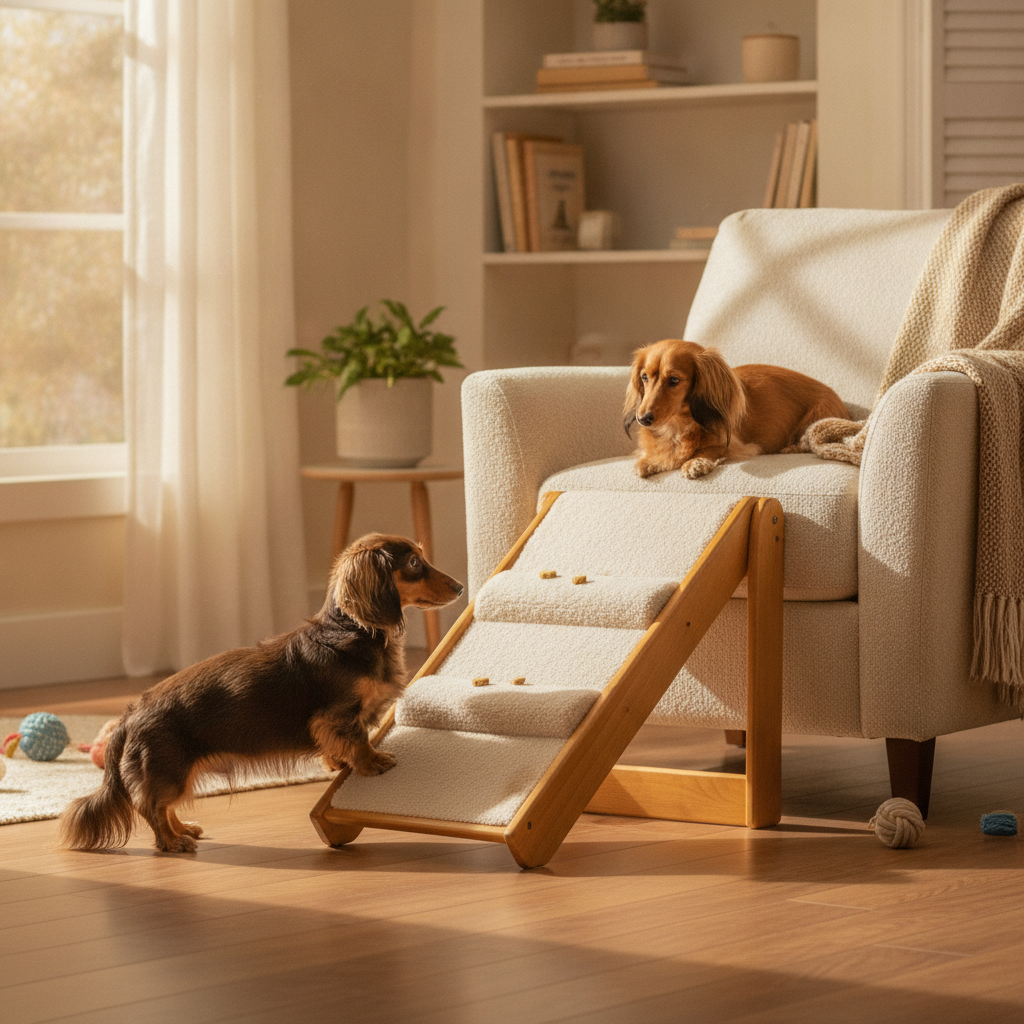
Ramp Up Your LifeThe “no jumping” rule is a classic doxie owner mantra, but it's nearly impossible to enforce without providing an alternative. Ramps are that alternative. A sturdy, low-incline ramp leading up to the sofa and your bed is not a luxury; it's essential safety equipment. When we moved, Marley was hesitant at first, but with a few treats and some patience, he learned that the ramp was his personal escalator to cuddles. It removes the temptation for a risky leap. Stairs are better than nothing, but ramps are the gold standard because they provide a smooth, continuous climb that puts far less stress on their spine.
Establish 'No-Fly Zones'Some furniture is just too high or too precarious. Instead of a constant battle of wills, make those areas inaccessible. Use decorative barriers or simply rearrange the room to block off unsafe launch pads. The goal isn't to restrict your dachshund's freedom, but to curate it. You're the loving bouncer of Club Sofa, ensuring only safe entry is permitted.
Part 2: The Brain - Replacing Yard Zoomies with Mind Games
A big mistake owners make is thinking that physical exercise is the only kind that matters. For a dachshund, a breed built for scent work and problem-solving, mental exercise is often *more* tiring and fulfilling than physical exertion. This is your secret weapon in successful dachshund apartment living.
The Indoor 'Sniffari'A dachshund’s nose is a powerful tool. A 15-minute scent game can tire them out more than a 30-minute walk. Hide high-value treats (in small amounts!) around a room and let them “go find.” Start easy and make it progressively harder. Snuffle mats, which are fabric mats with lots of folds for hiding kibble, are another fantastic way to engage their brain and slow down their eating. This taps directly into their hunting instincts in a safe, controlled way. If your doxie is a speed-eater, this also helps with digestion and satisfaction, a topic we cover in our guide to slowing down your food-gobbling dachshund.
The Art of the Controlled WalkWalks are no longer just for potty breaks; they are sensory adventures. In an apartment setting, you can't just open the back door. This forces you to be more intentional. Instead of long, meandering marches, focus on shorter, more engaging “sniff walks.” Let your doxie lead the way (within reason) and sniff every bush, signpost, and blade of grass. This is how they read their “pee-mail” and process the world. A 20-minute walk where they get to sniff to their heart’s content is more enriching than a 40-minute forced march at your pace.
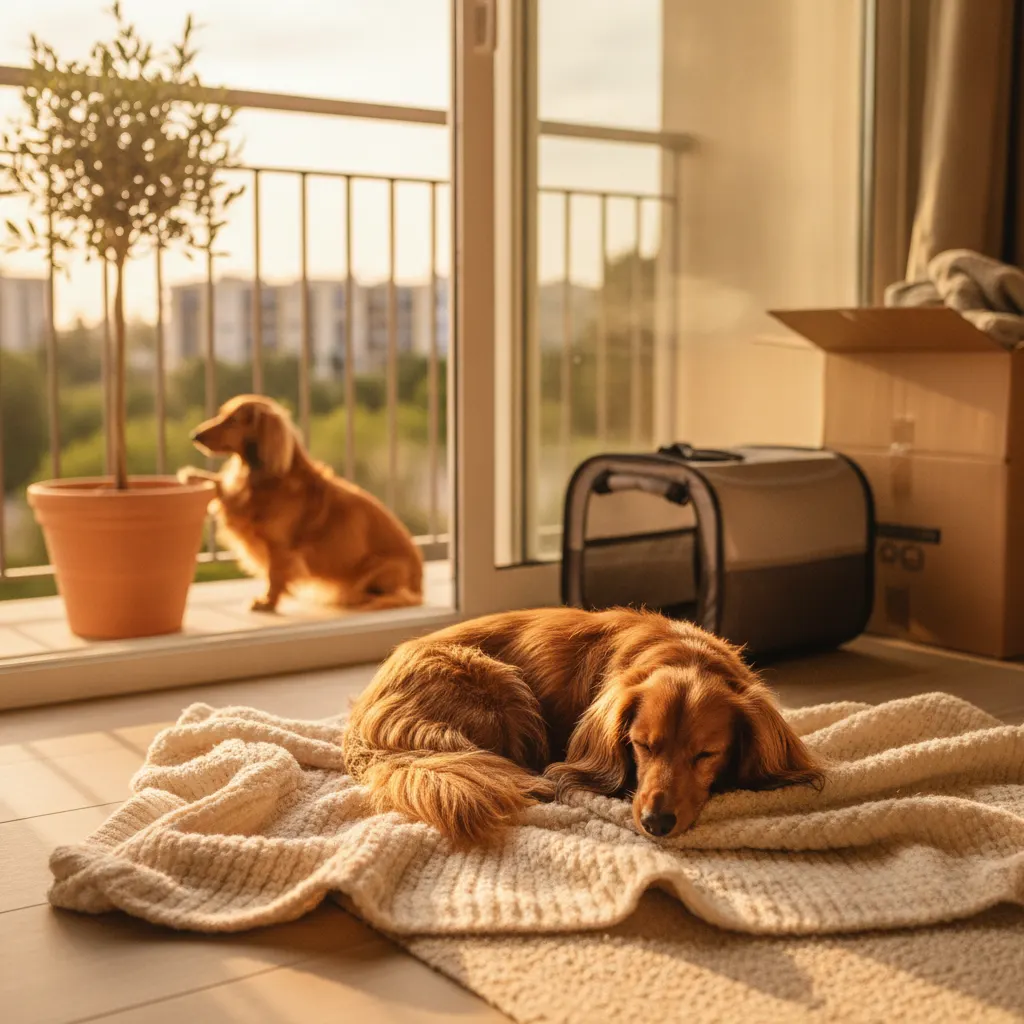
Create a Balcony OasisIf you have a balcony, it can become a safe, miniature yard. First, safety: ensure the railings are secure and there are no gaps a curious sausage can squeeze through. Plexiglass or balcony netting can provide extra security. Then, make it an inviting space with a comfortable outdoor bed and a designated potty area (grass patches or pee pads). This gives them a spot to sunbathe and watch the world go by safely, satisfying their need for a “perch” without the risks of a full yard.
Part 3: The Neighbors - Managing the Sound and the Fury
One of the biggest anxieties of apartment life is barking. Dachshunds are vocal watchdogs, and a new environment with strange sounds from the hallway or the apartment next door can put them on high alert. Managing this is about managing their triggers and their need to feel secure.
Decode the 'Intruder Alert'Your dachshund isn't barking to be annoying. They are barking because their breeding for the last 600 years has told them to alert their pack (you) to potential intruders. In an apartment, the sound of an elevator, a neighbor's door closing, or footsteps in the hall are all “intruders.” Acknowledging the sound with a calm “Thank you, I see it” and then redirecting their attention can help. Yelling at them to be quiet only confirms their suspicion that there is, indeed, something to be alarmed about.
Muffle the TriggersYou can’t stop your neighbors from living their lives, but you can soften the impact of the sounds. A white noise machine placed near the front door can help mask hallway sounds. Opaque window film on lower windows can prevent them from barking at every person or dog that walks by, reducing their self-appointed guard duty. Reducing the triggers is half the battle.
The 'Polite Sausage' ProtocolUltimately, living peacefully in a small space requires clear communication and boundaries. Teaching a solid “place” or “settle” command gives your dachshund a job to do when they feel anxious or overstimulated. It’s their safe spot. This kind of training isn't about dominance; it's about giving them confidence and clarity in their role. It’s a huge part of what we call The 'Polite Sausage' Project, and it makes a huge difference for apartment harmony.
Proof in the Pudding (and the Ramps)
When we first moved into our apartment with Marley and Mia, I was a nervous wreck. Mia, especially, has a history of back sensitivity, and I was convinced this was a terrible idea. But by following this exact blueprint, our apartment became the safest home she's ever had. We traded the steep deck stairs for a gentle ramp. We replaced frantic, unpredictable yard zoomies with calm, engaging indoor scent games. Her anxiety plummeted, and she became more relaxed and confident. The apartment didn't shrink their world; it focused it. It allowed me to be a better, more attentive doxie mom because I had control over the environment and could finally, truly, protect that long little back.
You are not a bad owner for downsizing. In fact, by being thoughtful and intentional, you are about to become an even better one. Understanding *why* your doxie gets anxious about hallway noises or needs a grippy path to the sofa is the key to building their confidence. It’s about learning to speak their language in this new environment.
And if you want a guide to translating all their other quirky behaviors, from the spot-stealing to the frantic digging in the blankets, that's exactly why I created the Dachshund Behavior Decoder. It helps you understand the 'why' behind what they do, so you can be the confident, loving leader your little sausage needs. Get the free Dachshund Behavior Decoder and turn your new apartment into the best home your doxie has ever had.
Frequently Asked Questions
Is apartment living bad for a dachshund's back?
Not at all! In fact, a well-managed apartment can be safer for a dachshund's back than a house with a yard. You have complete control over flooring, furniture access (with ramps), and can eliminate dangerous stairs, making it an ideal environment for IVDD prevention.
How much exercise does a dachshund need in an apartment?
Focus on quality over quantity. Two to three short, sniff-focused walks per day, combined with 15-20 minutes of indoor mental stimulation like scent games or puzzle toys, is often plenty. A tired brain leads to a happy, calm dachshund.
My dachshund is used to a yard. How do I transition them to potty pads or balcony potties?
Start the transition before you move, if possible. Treat the new potty spot like you're house-training a puppy all over again. Use a specific verbal cue, reward success with high-value treats, and be incredibly patient. Consistency is key.
How can I stop my dachshund from barking at every noise in the hallway?
Barking is often a sign of anxiety or guard duty. Use a white noise machine to mask trigger sounds, and teach a “place” or “settle” command. When they bark, calmly acknowledge the sound and redirect them to their spot, rewarding them when they are quiet. This helps them learn that you are in charge of security.
Can a dachshund be happy in an apartment without a balcony?
Absolutely. A balcony is a bonus, not a necessity. The keys to happy dachshund apartment living are consistent walks for sniffing and potty breaks, and plenty of indoor enrichment like training games, puzzle feeders, and snuffle mats to keep their clever minds engaged.
What are the best toys for dachshund apartment living?
Focus on toys that encourage mental work over frantic physical activity. Puzzle feeders, snuffle mats, and sturdy chew toys are fantastic. For playtime, indoor-friendly soft toys for gentle fetch or tug are great, but always supervise to ensure they aren't doing any sharp, twisting movements.
dachshund care · apartment living · back safety · IVDD prevention