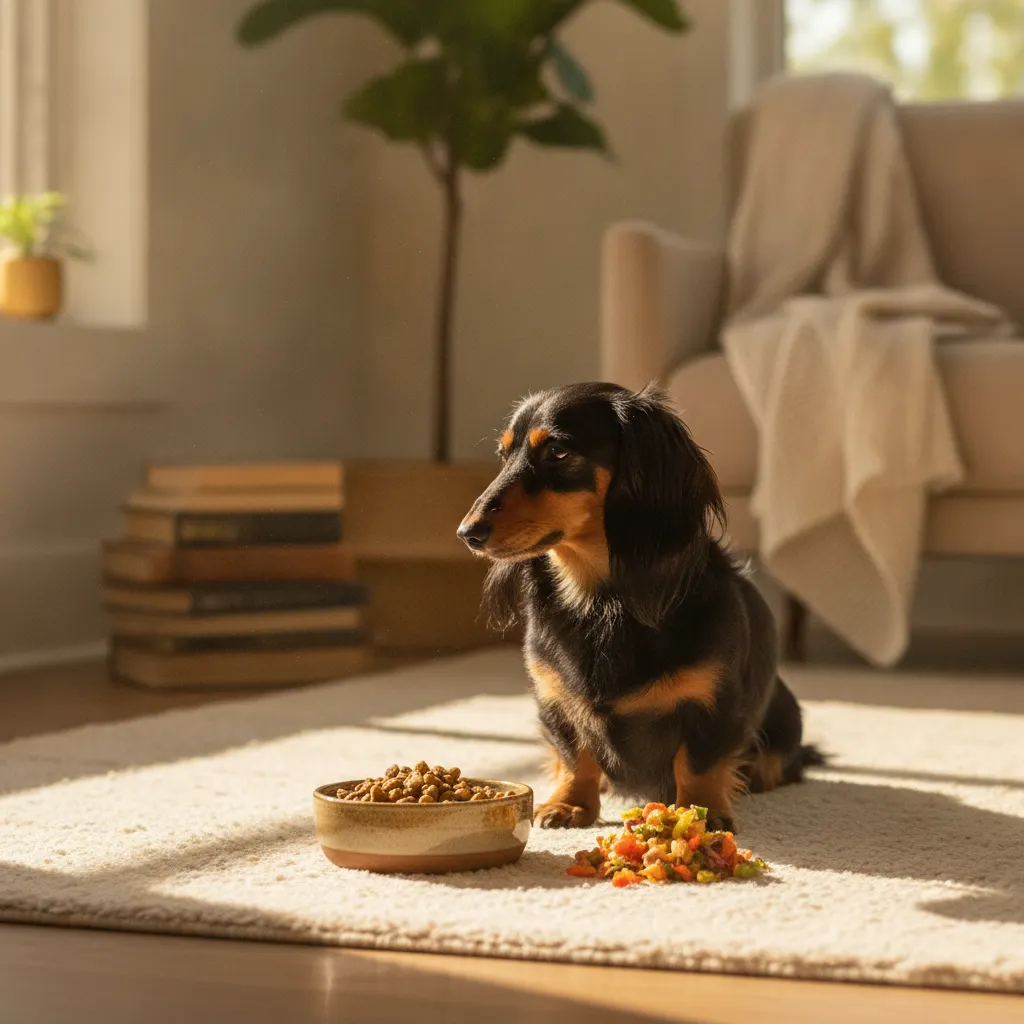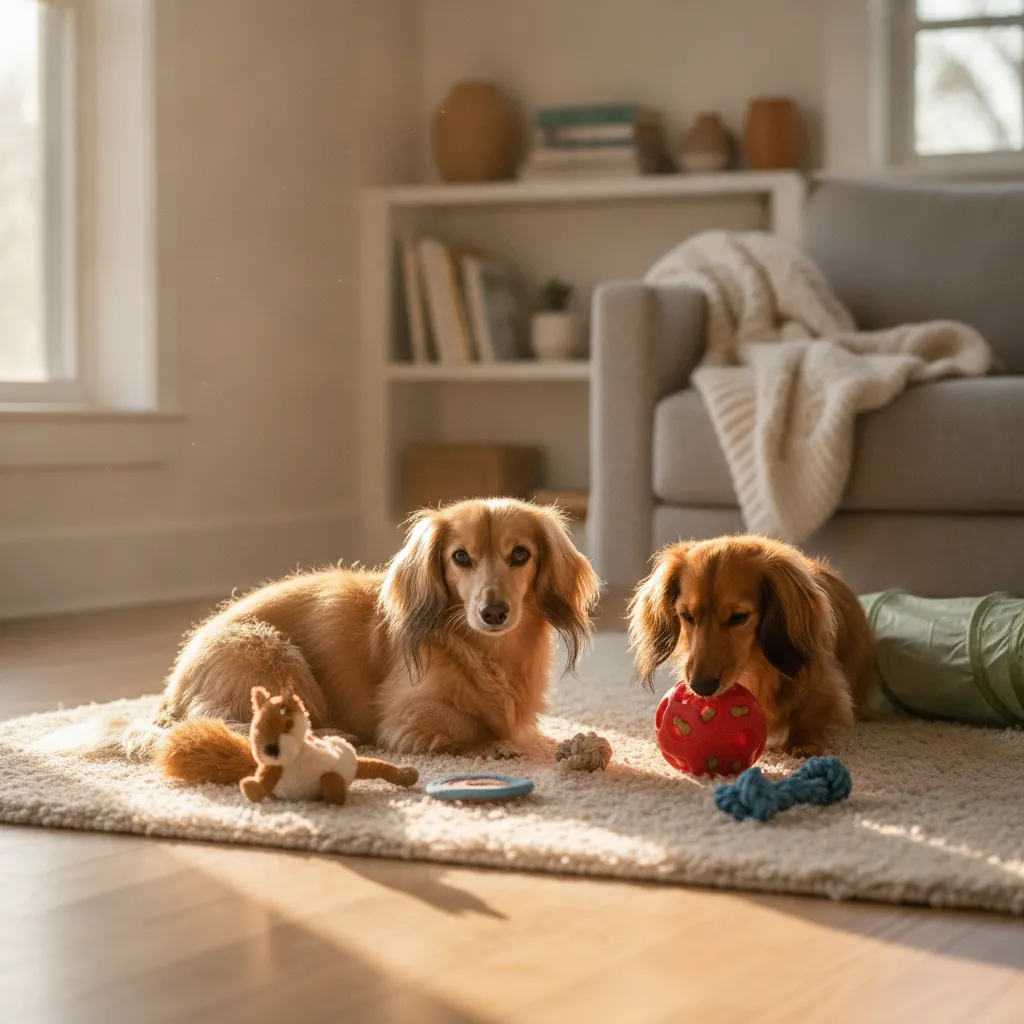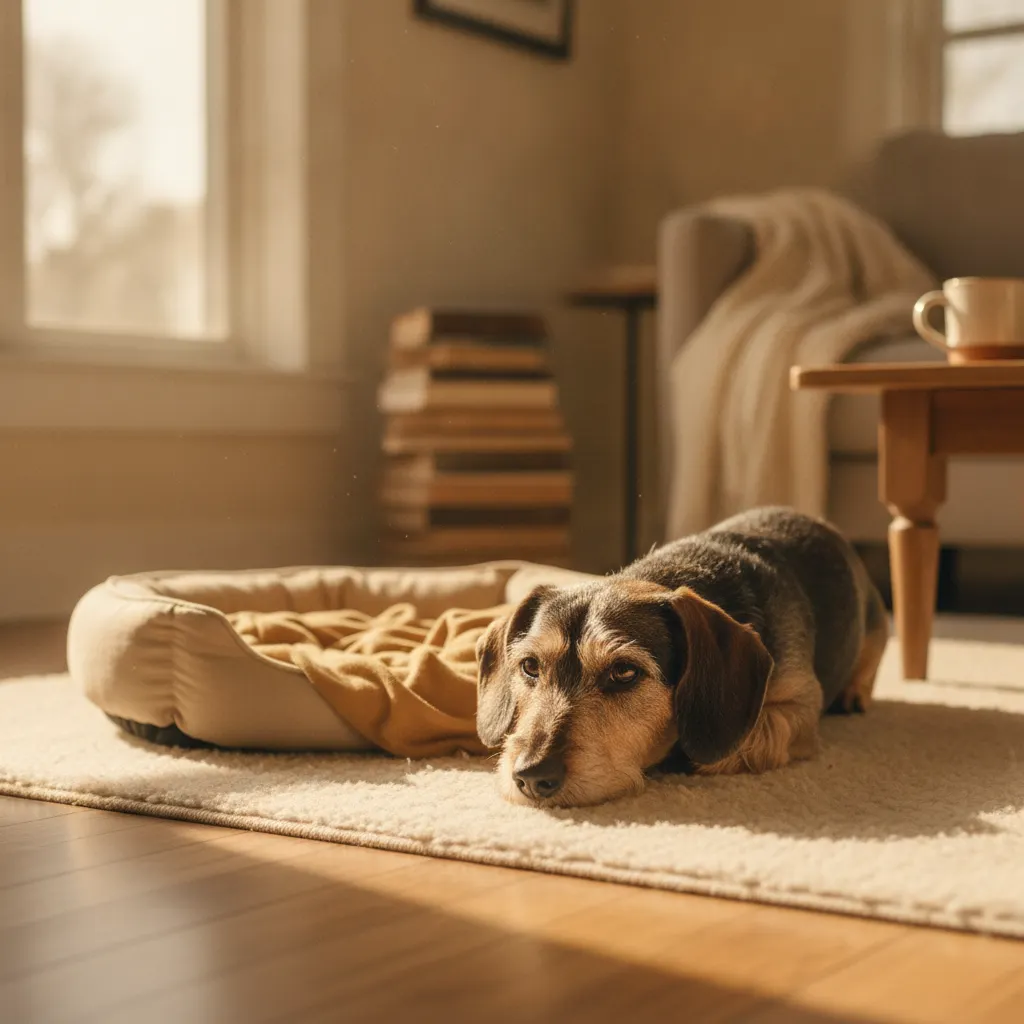
The silence is the first thing you notice. It’s a heavy, hollow quiet where the click-clack of a second set of paws used to be. One food bowl stays full. The dog bed in the corner is permanently empty. And your surviving dachshund, the one curled up by your feet, seems a little smaller, a little lost in the new emptiness of your home. If you’re reading this, your heart is likely aching for more than one reason. You’re navigating your own grief, and you’re watching your beloved dog grieving the loss of a companion, a pack member, a friend. It’s a profound and confusing pain, for both of you.
I’ve been there. I’ve sat on the floor with one doxie, both of us feeling the phantom presence of the other. It’s a unique kind of heartbreak to see your usually spunky, stubborn sausage dog become withdrawn, lethargic, or anxious. You feel helpless. You just want to make it better, to explain it to them, to take away their sadness. But they can’t tell you what they’re feeling, so you’re left to guess, and that guesswork can feel overwhelming when you’re already carrying so much weight.
Why Trying to "Cheer Them Up" Doesn't Work
When you see your doxie moping, your first instinct is to fix it. It’s a loving instinct! So you try the things that usually bring them joy. You buy a new squeaky toy, but it lies untouched on the floor. You offer their favorite treats, but they just sniff and walk away. You might even think, in a moment of desperate hope, that getting a new puppy right away will fill the void and bring the energy back into your home.
Here’s the hard truth: these things often don’t work, and sometimes they can even make things worse. Why? Because you’re trying to treat the symptoms (sadness) instead of supporting the root cause (a shattered sense of normalcy). Your dog’s world wasn’t just about having a playmate; it was about a predictable pack structure, a daily routine, and a shared language of sniffs, nudges, and sleeping arrangements. The loss of their companion isn't just an emotional blow; it’s a seismic shift in the very foundation of their world. A new toy can't fix that. Extra treats can't rebuild a routine. And a new puppy, full of chaotic energy, can be incredibly stressful for a grieving, confused dog who needs stability above all else.
The Reframe: You're Not a Grief Counselor, You're an Anchor
This is the most important shift in perspective you can make. You cannot fix your dog’s grief. You cannot talk them through it or make the sadness disappear. Grief is a process, not a problem to be solved. Trying to “fix it” will only lead to your own frustration and your dog’s confusion. Your real job isn't to be a grief counselor; it's to be their anchor.
Think of it this way: your doxie is lost in a foggy sea of confusion. Their world has changed in a fundamental way they can't comprehend. What they need most from you isn’t frantic cheering up, but calm, quiet, unwavering stability. They need to know that even though one massive piece of their life is gone, the rest of their world—you, their home, their daily rhythm—is safe and predictable. When you stop trying to fix their feelings and start focusing on stabilizing their world, you give them the secure foundation they need to process their loss in their own time.
How Do I Help My Dog Grieving the Loss of a Companion? A Gentle Framework
So, how do you become that anchor? It’s not about a grand gesture, but a series of small, consistent, loving actions. This is a time for patience and observation, for rebuilding a new normal, one quiet day at a time.
Step 1: Acknowledge and Observe Without Judgment
Before you do anything, just watch. What does their grief look like? Every dog is different. Some become clingy shadows, needing constant contact. Others withdraw, hiding under blankets or in their crate. Some lose their appetite, while others might pace and whine, searching for their lost friend. You might see lethargy, a lack of interest in walks, or even new anxieties.
Your only job here is to be a gentle detective. Note the changes. This goes back to the most important rule I tell every doxie parent: quirks are consistent, problems are a change. A sudden refusal to eat is a significant change. If your once-playful dog now ignores every toy, that's a signal. Recognizing these signs is the first step. For more on distinguishing behavioral shifts, our guide on when doxie quirks become obsessions can offer some helpful context.
Step 2: The Power of Predictability and Routine
This is the bedrock of your support. In a world that feels unpredictable, a solid routine is a lifeline. It tells your dog, “Even though this big thing has changed, these small things are still the same. You are safe.”
- Keep Times Consistent: Feed them at the exact same time every day. Go for walks at the same time. Have a consistent bedtime and wake-up time. Don't underestimate the power of this rhythm. It’s the metronome that calms their anxious heart.
- Don't Stop the Good Stuff: If they always loved their evening walk, keep offering it, even if they seem reluctant. Don't force them, but maintain the structure. The routine itself is a comfort, even if their enthusiasm for it has temporarily faded.
- Introduce New, Quiet Rituals: Maybe you start a five-minute grooming session every evening, with gentle brushing and a soft voice. Or perhaps you set aside ten minutes to just sit on the floor with them, no phone, no TV, just quiet petting. These new rituals can help build a new sense of normalcy centered around you.
A common sign of grief is a loss of appetite. Maintaining a strict feeding routine can help, but if your dachshund refuses to eat, it's a serious concern. Our guide for when your stubborn sausage refuses to eat has gentle strategies that can be especially helpful during this sensitive time.
Step 3: Gentle Enrichment, Not Forced Fun
While a squeaky toy might be too much, their brains still need gentle engagement. This helps pull them out of their internal state without overwhelming them. The goal is to activate their natural instincts in a low-pressure way.
- Sniffari Walks: Let them lead the way on walks. Instead of focusing on distance, let them sniff every single leaf, fire hydrant, and blade of grass. This “sniffari” engages their powerful nose and mind, which is deeply therapeutic for a dog. It allows them to process their world and is a calming activity.
- Puzzle Toys: Use a snuffle mat or a simple puzzle feeder for their meals. The act of foraging for their food is mentally stimulating and can help reignite their interest in eating. Start with very easy puzzles so they feel successful.
- Quality Time: Your calm presence is the most valuable thing you can offer. Read a book with them in your lap. Listen to quiet music together. Your relaxed energy will transfer to them, reassuring them that the world is still a safe place.
Step 4: Managing the Physical Reminders
What do you do with the other dog’s bed, bowls, and toys? There’s no single right answer, but I generally advise against removing everything at once. A sudden, sterile environment can be even more disorienting for your surviving dog.
Consider washing their favorite blanket or bed but leaving it out for a little while. The familiar scent may be a comfort. When you do decide to put things away, do it gradually and calmly, perhaps when your dog is out for a walk. This is an emotional process for you, too. Be gentle with yourself.
Your dog's world has changed, and so has yours. The goal is to build a new, beautiful 'normal' together, at a pace you can both handle.
Step 5: The New Puppy Question
I get this question a lot. “Will getting a new puppy help my dog?” My answer is almost always: “Not yet.” Bringing a new dog into the home while your current dog is still grieving is like asking a person in mourning to plan a big party. It’s too much, too soon. Your surviving doxie needs time to adjust to being an “only dog” and to form a new, stronger bond with you. You need time to grieve, too. Wait until the rhythm of your new life feels stable and calm. When you do feel ready, remember that you’re choosing a new companion for your current dog, not a replacement for the one you lost. Adopting a rescue can be a wonderful option, but it comes with its own set of adjustments, as outlined in our guide to adopting a rescue doxie.
A Final, Gentle Reminder
I remember watching my Mia after we lost a senior companion. She would stand by the back door, just waiting. She didn't want to play. She barely ate. It was heartbreaking. But we stuck to our routine. Every morning, the same walk. Every evening, the same cuddle time on the couch. Slowly, over weeks and then months, she started to lean into me a little more. She’d bring me a toy. The light came back into her eyes. It wasn't a sudden change, but a gradual return to self.
Your dachshund will find their way back, too. They are resilient, and their bond with you is powerful. Be their patient, loving anchor. Give them time, give them routine, and give them your quiet, reassuring presence. You will both get through this, together.
Understanding their behavior during this tough time is key. Grief can look like so many other things—anxiety, stubbornness, or even grumpiness. To become more confident in decoding all their little signals and understanding the 'why' behind their unique doxie behaviors, consider our free guide. Get the free Dachshund Behavior Decoder.
Frequently Asked Questions
How long does the grieving process last for a dog?
There's no set timeline, as every dog is an individual. The acute phase of grief, marked by significant changes like loss of appetite or lethargy, can last from a few weeks to a few months. However, you may notice subtle changes in their personality for much longer as they adjust to their new life.
What are the most common signs of a dog grieving the loss of a companion?
Common signs include withdrawal, lethargy, loss of appetite, clinginess, searching for their lost friend, and a lack of interest in activities they once enjoyed. Some dogs may also become more vocal, whining or barking more than usual. Recognizing these signs is the first step in helping a dog grieving the loss of a companion.
Should I get a new puppy right away to help my dog?
It's generally recommended to wait. Your surviving dog needs time to grieve and adjust to a new routine without their companion. Introducing a new, energetic puppy can be overwhelming and stressful for a grieving dog. It's best to wait until both you and your dog have found your footing in this new normal.
Is my dog's lack of appetite due to grief or a medical issue?
While a decreased appetite is a common sign of a dog grieving the loss of a companion, it can also signal an underlying health problem. If your dog refuses to eat for more than a day or two, or if the behavior is accompanied by other symptoms like vomiting or diarrhea, it is crucial to consult your veterinarian to rule out any medical issues.
Can my own sadness affect my grieving dog?
Yes, absolutely. Dachshunds are incredibly intuitive and bonded to their people. They can easily pick up on your stress, sadness, and anxiety. While it's impossible not to feel your own grief, try to create moments of calm and positivity for your dog. Your steady, reassuring presence is one of the most powerful tools you have to help them feel secure.
Should I leave my deceased dog's things out for my surviving dog?
This is a personal choice. Some experts believe that leaving a bed or favorite blanket out can be comforting, as the familiar scent remains. Others find it's better to remove items gradually. A good approach is to wash their bedding but leave it in its spot for a while, then slowly put things away over time rather than all at once, which can be jarring.
dog grief · dachshund behavior · pet loss · senior dog care