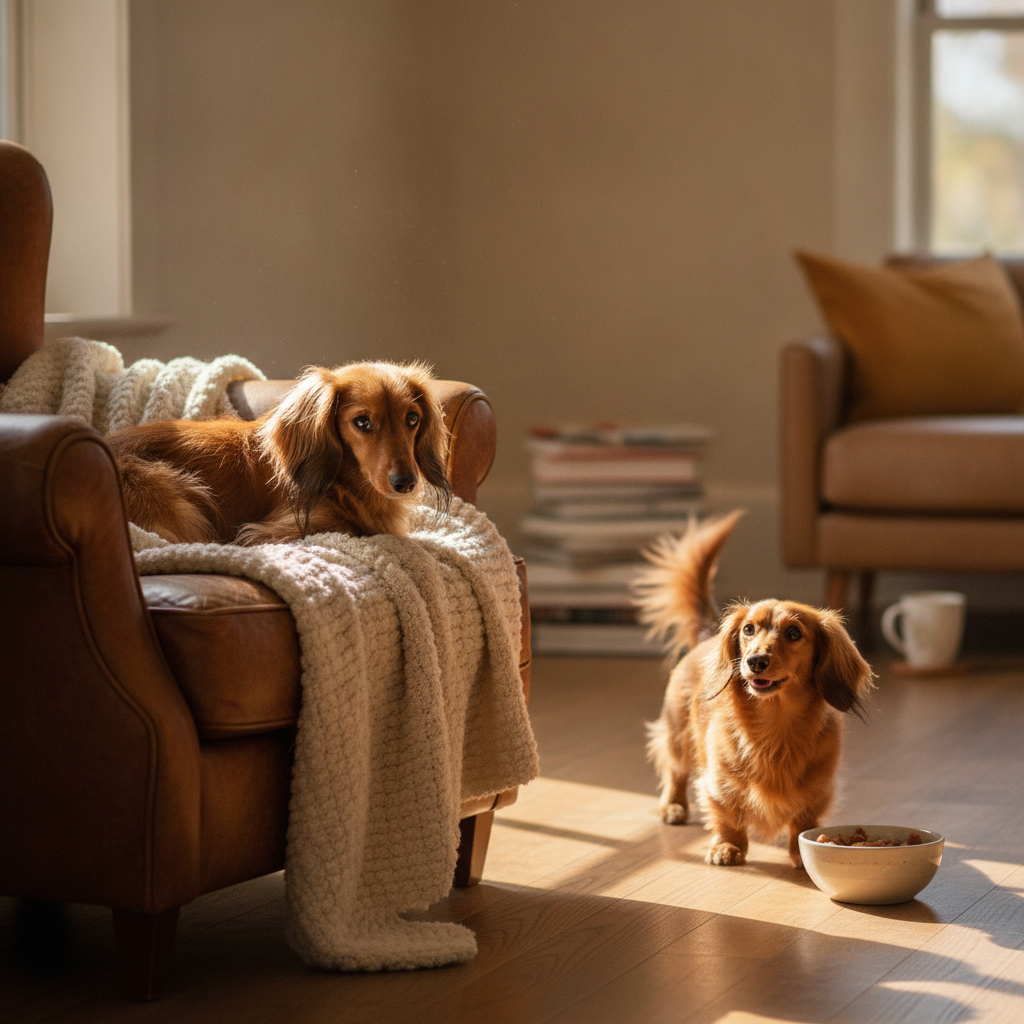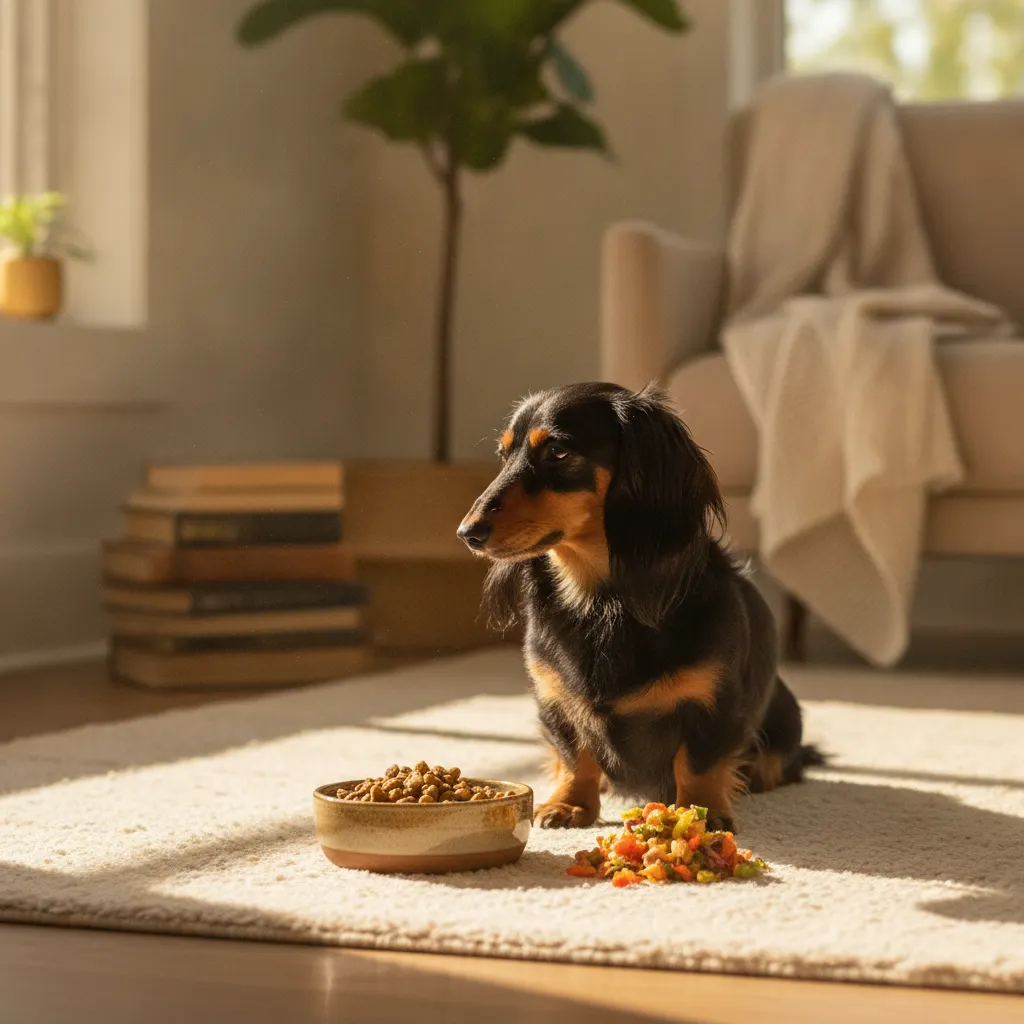
You hear the familiar clink of kibble hitting the ceramic bowl. You place it on the floor with the flourish of a Michelin-star chef presenting the plat du jour. Your dachshund trots over, gives it a cursory sniff, looks up at you with an expression that says, “You cannot be serious,” and walks away. The dinner strike has begun. Again.
If you're the parent of a picky eater dachshund, you know this scene intimately. Your heart sinks. Your mind races. Is he sick? Is the food bad? Is he just holding out for that tiny piece of cheese he saw you eating? It’s a special kind of anxiety, feeling utterly responsible for a tiny creature who has decided to employ hunger strikes as a form of negotiation. And let’s be honest, it feels like you’re being outsmarted by a dog who can’t reach the kitchen counter.
The Cycle of Caving: Why What You’ve Tried Hasn’t Worked
When faced with a food-snubbing sausage, we go into problem-solving mode. And usually, it looks something like this:
- The Food Carousel: You rush to the pet store and buy a new, more expensive brand of food. He eats it for two days, then the strike resumes. You’ve now got six half-used bags of premium kibble in your pantry and a dog who has learned that refusing food magically makes tastier food appear.
- The Topper Temptation: You start dressing up the kibble. A little shredded chicken, a dollop of yogurt, a splash of bone broth. This works, until it doesn’t. Soon, you’re watching your doxie meticulously lick off all the good stuff and leave every single piece of actual dog food behind. You haven’t solved the problem; you’ve just taught him how to demand an appetizer.
- The “He’ll Eat When He’s Hungry” Standoff: You try tough love. You leave the food out, assuming instinct will eventually take over. But dachshunds didn't get the memo on caving. Their stubbornness is legendary. This often just leaves you more stressed out than the dog, who seems perfectly content to wait for you to break.
These solutions fail because they treat the symptom—the food refusal—without understanding the cause. You’re trying to find the perfect food, when the problem might not be the food at all.
The Reframe: Your Doxie Isn't a Picky Eater, They're a Messenger
Here’s the shift that will change everything: Your dachshund isn't just being “picky.” They are using the one tool they have to send you a powerful message. Our job as their parents is to become detectives and figure out what that message is. In my nearly 20 years with Marley, Mia, and other doxies, I’ve found that a dinner-striker almost always falls into one of three categories.
Your dachshund isn’t being picky, they are sending you a message.
Category 1: The Communicator
This is the most important category to rule out first. A sudden refusal to eat is one of the clearest signals a dog can send that something is wrong physically. They aren’t being difficult; they are communicating discomfort or pain. This could be anything from a sore tooth that makes chewing painful, to an upset stomach, to more serious underlying health issues. This is where our most important rule comes into play: quirks are consistent; problems are a change. If your doxie has always been a bit of a fussy eater, that's a quirk. If your food-loving dog suddenly won't touch their breakfast, that's a change—and a loud signal to pay attention.
Category 2: The Connoisseur
Some dachshunds are genuinely sensitive to the details of their dining experience. They aren't just eating for fuel; they have preferences. The food might be too cold. The kibble might be too large or hard. The bowl might be too deep, making it uncomfortable for their long snout to reach the bottom. Maybe the food has been open too long and has gone stale, losing its enticing aroma. This isn't manipulation; it's a genuine preference for how their meal is served. They are the food critics of the dog world.
Category 3: The Manipulator
Ah, the classic dachshund. This is the dog who has learned that refusing their kibble results in something better. They are not sick. They are not particular. They are smart. They have successfully trained their human. They know that if they hold out long enough, the chicken, cheese, or fancy wet food will appear. This is the ultimate battle of wills, born from their incredible intelligence and centuries of breeding that taught them to think for themselves. They aren't being bad; they're just playing the game you taught them.
The Doxie Dinner Detective: Your 3-Step Solution
Once you understand which type of messenger you’re dealing with, you can create a plan that actually works. Let’s walk through the process of decoding your dog's dinner strike.
Step 1: The Medical Check-Up (For The Communicator)
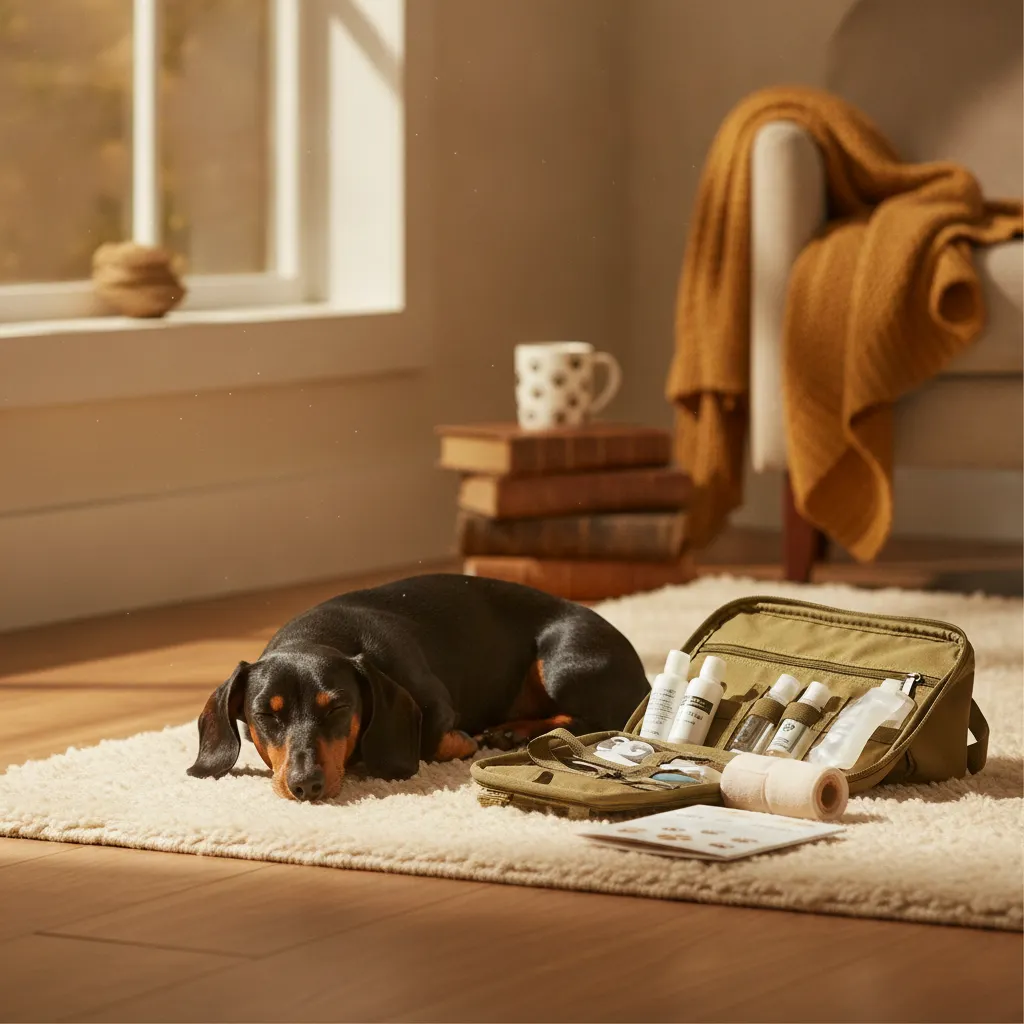
Before you do anything else, you must rule out a health issue. A sudden loss of appetite is a red flag. Ask yourself:
- Is this a new behavior?
- Are there any other symptoms? Lethargy, vomiting, diarrhea, excessive water drinking, yelping when you touch their mouth?
- Take a gentle look inside their mouth. Do you see any red, swollen gums or a broken tooth? Dental pain is a very common cause of food refusal.
If the behavior is new, or accompanied by any other symptom, your first and only step is to call your vet. Do not pass go, do not try a new food. A vet visit can provide peace of mind or catch a problem early. Sometimes, food refusal can even be linked to allergies, which might manifest as skin issues. We've seen how what they eat can affect them all over, from their bellies to their skin, as we've discussed in our guide to dachshund skin problems.
Your vet is the ultimate authority on your individual dog. This is non-negotiable. Everything else can wait until you have a clean bill of health.
Step 2: Become a Food Scientist (For The Connoisseur)
If your vet has confirmed your doxie is healthy, it's time to investigate the dining experience itself. But instead of randomly changing foods, you’re going to test one variable at a time, like a scientist.
- Temperature: Try adding a splash of warm (not hot!) water or bone broth to their kibble. This not only softens it slightly but also releases the aroma, making it much more appealing. Many dogs, especially smaller ones, dislike cold food straight from the fridge.
- Texture: Is the kibble too hard? The warm water trick helps here too. You could also try crushing it slightly.
- Presentation: Is the bowl the problem? Some doxies hate the sound of their tags clanking against a metal bowl. Others find deep bowls uncomfortable. Try serving their meal on a flat plate or in a shallow, wide ceramic bowl. For dogs who eat too fast or need engagement, a snuffle mat can turn mealtime into a fun game.
- Environment: Where is the food bowl located? Is it in a high-traffic area where they feel rushed or anxious? Is another pet hovering nearby, causing stress? Try moving the bowl to a quiet, safe corner where they can eat in peace.
Change only one thing at a time for a few days. This methodical approach will tell you exactly what the issue is, rather than leaving you guessing.
Step 3: The 15-Minute Reset (For The Manipulator)
So, your doxie has a clean bill of health, and you’ve tried every presentation trick in the book. Welcome to the final boss: the master manipulator. It’s time to lovingly and calmly reset the rules of the dinner game. This is not about punishment; it’s about breaking a behavioral cycle they have learned.
- Set Meal Times: No more free-feeding. Offer food at two set times per day (e.g., 8 AM and 6 PM).
- The 15-Minute Rule: Put the bowl of their regular, healthy dog food down. No toppers, no coaxing, no dramatic pleas. Set a timer for 15 minutes.
- The Walk-Away: If they eat, great! If they sniff it and walk away, or don’t finish, simply pick up the bowl without a word when the timer goes off. Put it away until the next scheduled mealtime.
- No Extras: This is the hardest part. During this reset, there can be absolutely NO treats, no dental chews, no table scraps, no exceptions. You are teaching them that the food in the bowl is the only food available.
- Repeat: At the next mealtime, offer the same food again. Repeat the 15-minute process.
I know this sounds harsh. Your heart will tell you they’re starving. But here is the truth: a healthy dog will not starve itself. They might hold out for a meal, or even two. My Marley, a world-champion manipulator, once held out for a full 24 hours. It was harder on me than it was on him. But on the third meal, he ate every last bite. The strike was over. This process re-establishes that you are the loving provider of food, and this is what’s on the menu. It breaks the cycle of them training you.
A Tale of Two Wieners: Marley & Mia
I’ve lived through all three of these scenarios. Years ago, my sweet Mia, who normally inhales her food, suddenly started turning her nose up at breakfast. It was a huge change. I didn't wait; I took her straight to the vet. It turned out she had a tiny fracture in a molar that was causing her pain when she chewed. She wasn’t being a picky eater dachshund; she was a Communicator telling me she was in pain. After a quick dental procedure, her appetite returned to normal immediately.
Marley, on the other hand, is a born Manipulator. He once went on a dinner strike because my husband had given him a tiny scrap of grilled chicken the night before. He spent the next day staring at his bowl, then back at us, as if to say, “I know you have the good stuff.” We had to implement the 15-Minute Reset. It was a long 24 hours of him giving me the saddest puppy-dog eyes you’ve ever seen. But we held firm, and by the next evening, he happily crunched down his kibble. We learned our lesson: no more feeding the tiny food critic from our plates.
Understanding the *why* behind the food refusal is everything. It turns your frustration into compassion and gives you a clear path forward. You’re not just trying to get them to eat; you’re learning to listen to the very important messages they're sending.
Decoding these subtle signals is one of the biggest parts of being a confident doxie parent. If you want to get better at understanding the “why” behind all their other quirky behaviors—from burrowing to barking at the mailman—the next step is to learn their language. Get the free Dachshund Behavior Decoder and start seeing the world through their eyes.
Frequently Asked Questions
How long can a dachshund safely go without eating?
A healthy adult dog can typically go a day or two without food without any serious issues, as long as they are drinking water. However, if the food strike lasts more than 24-48 hours, or if your dog is a puppy, a senior, or has a known health condition, you should contact your vet immediately. A sudden change in appetite is always worth a professional opinion.
Should I mix wet and dry food for my picky eater dachshund?
Mixing foods can sometimes entice a picky eater dachshund, but it can also create a bigger problem if they start picking out the wet food and leaving the kibble. If you do this, mix it thoroughly so they can't separate it. A better first step is often just adding a splash of warm water to their existing kibble to enhance the aroma and soften the texture.
Could my dachshund's food refusal be related to anxiety?
Absolutely. Stress and anxiety are major appetite killers for dogs. A change in routine, a new person in the house, loud noises like thunderstorms, or separation anxiety can all cause a dog to go off their food. If you suspect anxiety is the cause, focus on creating a calm, safe eating environment and addressing the root cause of the stress. Our guide to managing doxie anxiety can offer some helpful strategies.
Is it okay to add toppers to my dachshund's food?
While toppers can be a useful tool, they are a slippery slope. If used consistently, your doxie may start refusing to eat *unless* the topper is present, effectively becoming a manipulator. It's better to use them sparingly as a special treat or to help with medication, rather than making them a daily expectation.
Why is my dachshund suddenly a picky eater after years of eating the same food?
This is a classic “change” signal and should be taken seriously. It could be a medical issue like a dental problem or upset stomach. It could also be that the food manufacturer changed the formula, or the bag of food you have has gone stale or rancid. Always start with a vet check to rule out health concerns.
Can dental problems make my dachshund refuse to eat?
Yes, this is one of the most common medical reasons for a dog to stop eating. Dachshunds are prone to dental issues, and a sore tooth, infected gum, or abscess can make chewing incredibly painful. If your dog is suddenly refusing hard kibble but will eat softer food, or if they seem to be chewing on one side of their mouth, get their teeth checked by a vet right away.
dachshund behavior · dog nutrition · picky eating · dog health