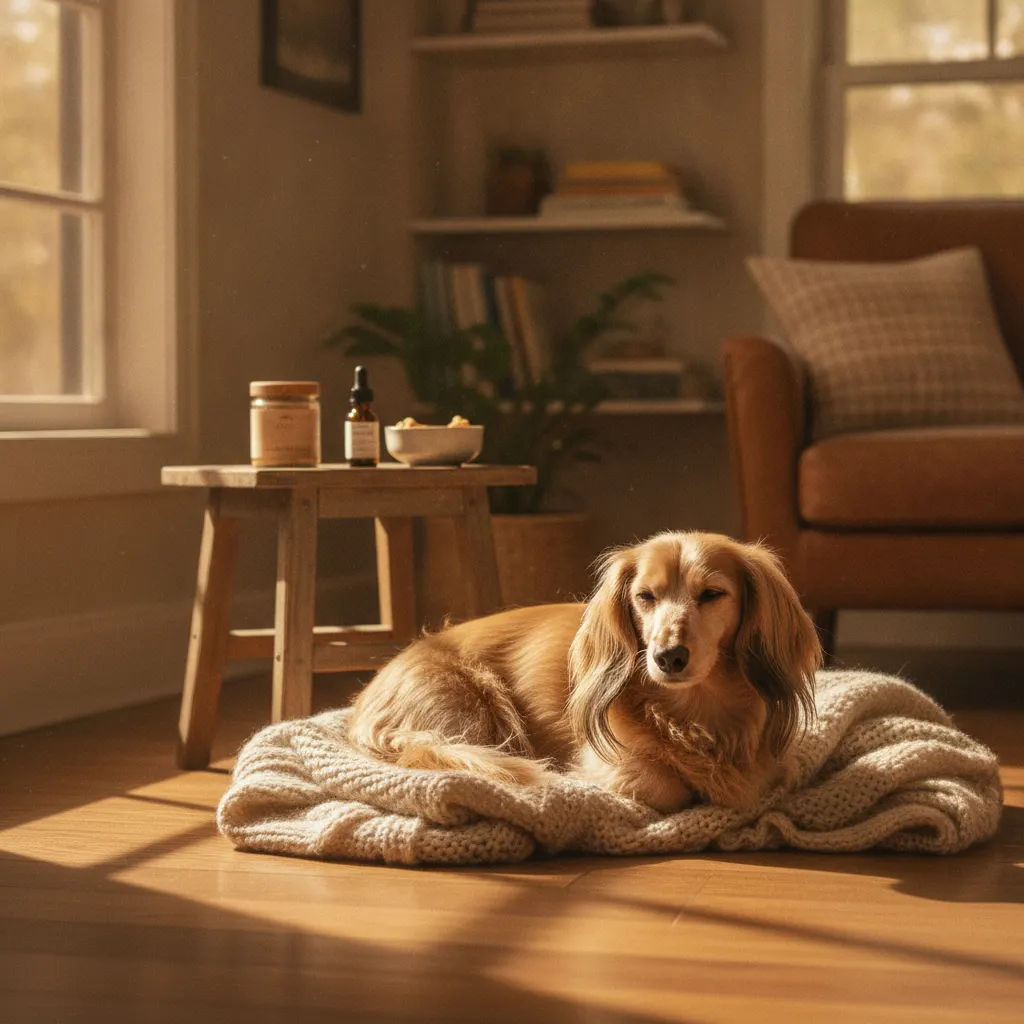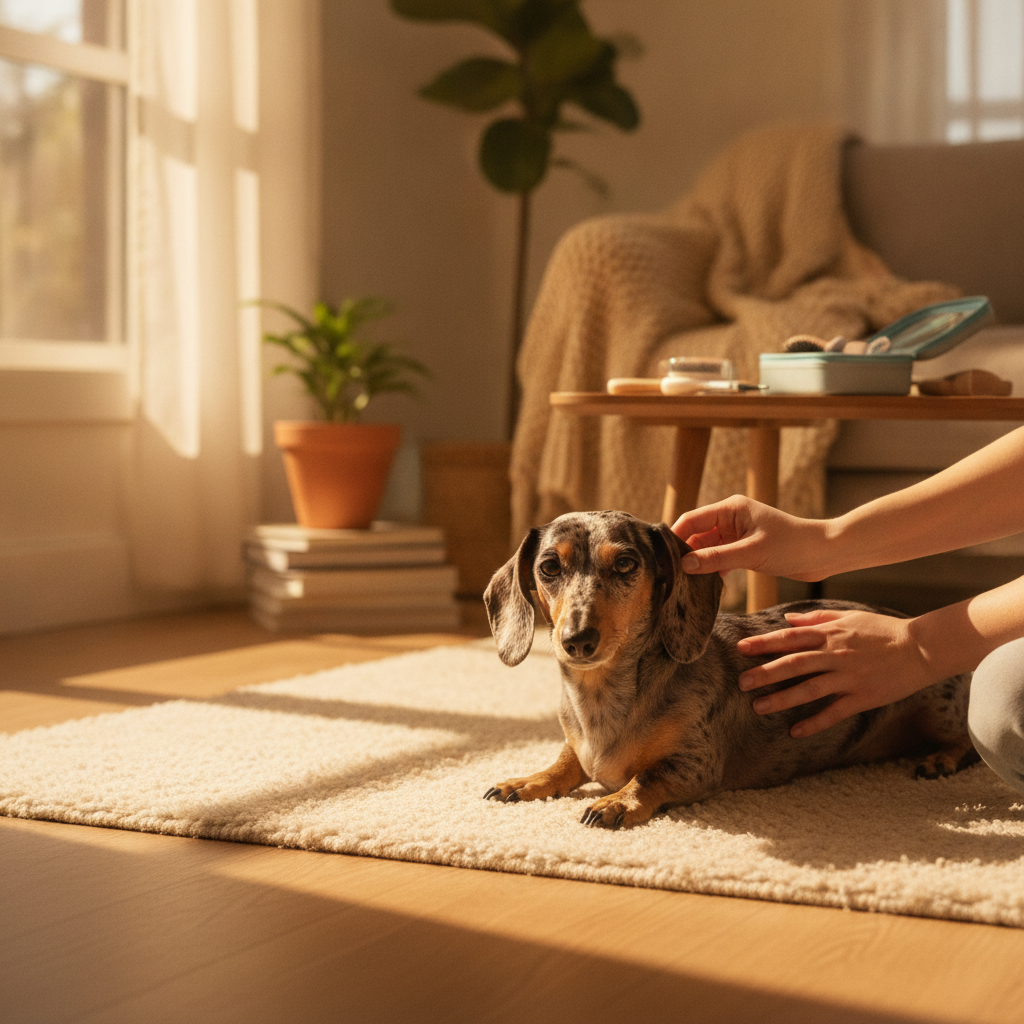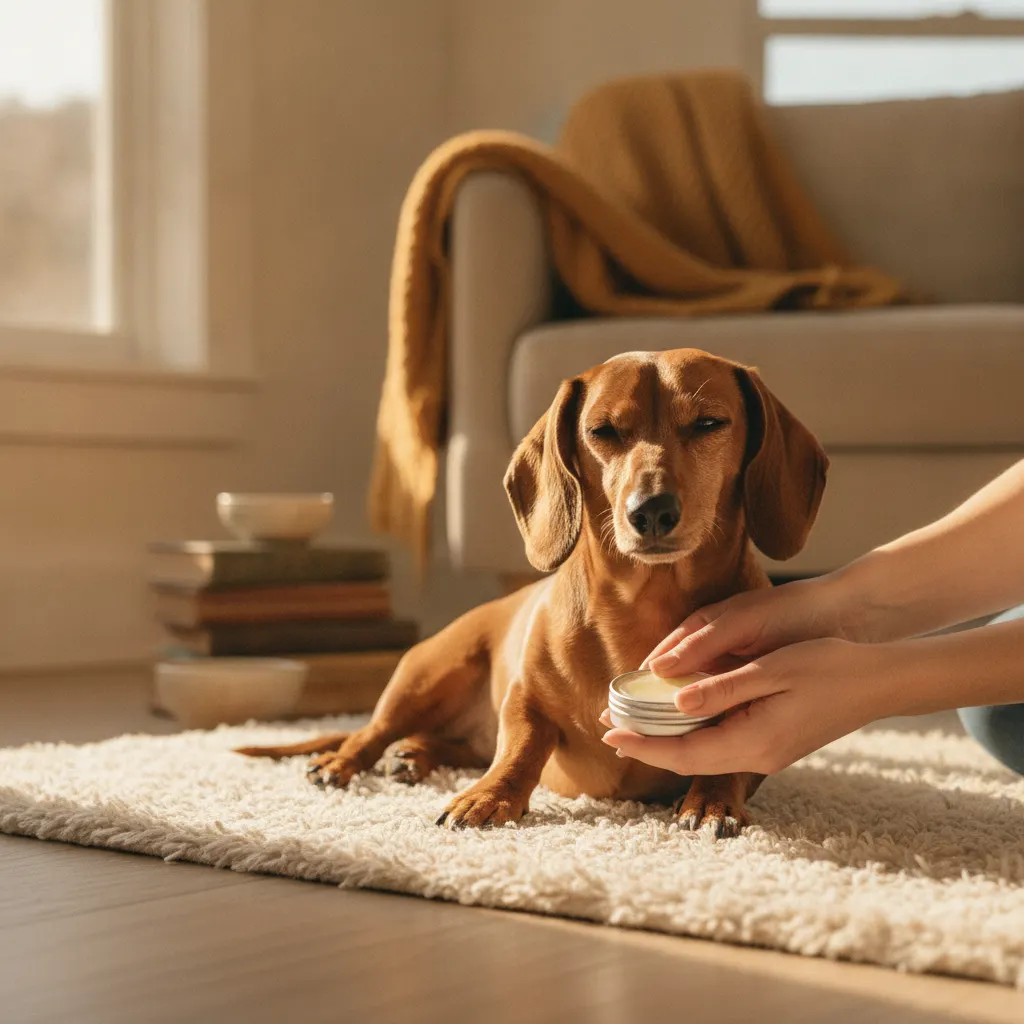
Click. Click. Click. That’s the sound of your dachshund trotting down the hallway, a sound that for many doxie parents is a tiny, persistent alarm bell. It’s the sound that says, “The nails are too long. Again.” We tend to think of dachshund paw care as a single, dreaded event: the nail trim. A wrestling match involving clippers, a terrified sausage dog, and a whole lot of guilt. But what if I told you that focusing only on the nails is like trying to build a house by only worrying about the color of the front door?
The real issue isn't just about long nails. It's the low-grade anxiety that hums beneath the surface for every dachshund owner. We worry about their backs constantly. We arrange our furniture around their safety. We hold our breath when they attempt a leap of faith from the couch. And yet, we often overlook the very foundation that supports their entire, precious, elongated spine: their four little paws. Cracked pads, overgrown fur, and yes, long nails, aren't just cosmetic issues. They are structural problems that can throw their whole body out of alignment, putting subtle, daily stress on that back we work so hard to protect.
Why Hasn't My Approach to Paw Care Worked?
If you're feeling a little frustrated, you're not alone. Most of us have a drawer of failed solutions. There’s the fancy nail grinder that sends your doxie running for the hills the second it hums to life. There’s the expensive paw balm you bought with good intentions, now gathering dust because you forget to use it. There’s the guillotine-style clipper that you’re secretly terrified of using because of that one time you hit the quick.
These solutions fail because they treat paw care as a reactive chore, not a proactive ritual. We wait for a problem—the clicking on the floor, a noticeable limp, obsessive licking—and then we try to fix it. This approach turns a moment of care into a moment of stress for both you and your dog. It treats the paws as four separate, annoying little appendages, completely disconnected from the rest of their well-being. But for a dachshund, nothing is disconnected. Their paws are the four pillars holding up a very long, very important bridge.
The Reframe: Paw Care is Structural Engineering for Your Dachshund
Let's stop thinking about this as grooming. This isn't about aesthetics. Effective dachshund paw care is about structural engineering. Imagine your doxie's body is a finely tuned vehicle. Their long spine is the chassis, and their four paws are the tires. If the tires are worn, overinflated, or out of alignment, it doesn't just make for a bumpy ride. It puts stress on the entire frame. Over time, that constant, low-level stress can contribute to bigger problems.
When a dachshund's nails are too long, they can't stand flat on their pads. They're forced to rock back on their paws, which changes the angle of their joints all the way up their legs and into their shoulders and hips. This unnatural posture puts a subtle, day-in, day-out strain on their back. Cracked pads can cause them to shift their weight, creating imbalances. Fur between their toes can cause them to slip on hardwood floors—a slip we all want to prevent. Seeing their paws as the foundation for their entire body changes everything. It’s no longer a chore; it’s an act of protection.
The 'Four-Point Foundation Check': A Simple System for Healthy Paws
Instead of randomly tackling problems, let’s create a simple, loving ritual. I call it the Four-Point Foundation Check. It’s a quick, systematic way to ensure your doxie’s foundation is solid, supporting that long little back we all adore. You can do this once a week, maybe on a Sunday evening while you're cuddling on the couch.
Point 1: The Nails (The Treads)
This is the big one, but it doesn't have to be a battle. The goal is simple: your dachshund's nails should not touch the ground when they are standing still on a flat surface. If you can hear that 'click-clack' on the kitchen floor, they're too long.
- Clippers vs. Grinders: There's no single right answer. I use both. Clippers are fast, but can be upsetting if you cut the quick (the pink part with the blood supply). Grinders are more forgiving, allowing you to take off tiny bits at a time, but the noise and vibration can be startling for some dogs. The key is to introduce them slowly with tons of high-value treats. Let them sniff the tool. Turn it on for a second, give a treat. Touch it to a nail for a millisecond, give a treat. This is part of the 'Polite Sausage' Project in action—teaching them to accept handling patiently.
- The Dreaded Quick: On light-colored nails, you can see the pink quick. On dark nails, it's a guessing game. The trick is to trim tiny slivers at a time. As you get closer to the quick, you'll see a small, dark circle appear in the center of the nail's cut surface. That's your signal to stop.
- Accidents Happen: Even after 20 years with Marley and Mia, I've occasionally gone a bit too short. It happens. Don't panic. Keep styptic powder or cornstarch nearby. Apply it with firm pressure to the nail tip, and give your doxie a big hug and a special treat. The more you panic, the more they will associate nail trims with fear.
Point 2: The Pads (The Shock Absorbers)
Your doxie's paw pads are their little shock absorbers. They take a beating from hot pavement, cold sidewalks, and rough terrain. Healthy pads should be tough but pliable, not cracked, dry, or blistered.
- The Inspection: Gently spread their toes and look at the pads and the skin in between. Are there any cuts, cracks, or foreign objects like burrs or tiny pebbles? Is there any redness or swelling?
- Moisturize: Especially in dry winter months or hot summers, pads can get cracked and painful. A thin layer of a dog-safe paw balm, or even just a little bit of coconut oil, can make a huge difference. Massage it in gently. It's a great bonding moment.
- A Note on "Frito Feet": If you notice a distinct corn-chip smell coming from their paws, it's usually due to a harmless buildup of yeast and bacteria. It's super common! However, if it's accompanied by redness, inflammation, or obsessive licking, it could be a sign of an issue like an ear infection that has spread or allergies. That’s a signal to check in with your vet.
Point 3: The Fur (The Grip)
This is especially important for long-haired dachshunds, but all doxies can get what I call "Grinch feet." That's when the fur grows long and covers their pads.
This isn't just a style issue. That overgrown fur acts like little slippers on a slick floor. It dramatically reduces their traction, increasing the risk of a slip that could lead to a serious back injury.
Keeping this fur trimmed is a crucial part of back safety. Use a small pair of blunt-nosed grooming scissors or a small electric trimmer designed for paws. Gently trim the fur so that it's flush with the pads. Your doxie will have much better grip and stability, especially on hardwood or tile floors. This is one of the easiest and most impactful things you can do to protect their back, right up there with choosing the right rugs for your home.
Point 4: The Check-In (The Daily Inspection)
This is the most important point of all, and it takes about 10 seconds. Every day, when you're petting your dog, make a habit of running your hands over their paws. You're not doing a clinical exam; you're just getting to know what's normal for them. This is where my biggest rule for doxie health comes in: Quirks are consistent; problems are a change.
A behavior your doxie has always had is almost never an emergency. A sudden shift is the signal. Has one paw suddenly become sensitive to the touch? Have they started licking one spot obsessively when they never did before? Is there new redness or a lump that wasn't there yesterday? This daily, casual check-in is what allows you to spot a change the moment it happens. And spotting it early is everything. And remember, this is all educational. Your vet is always the final authority on your individual dog, and this guide is never a substitute for professional advice. If you're ever in doubt, making that call is the right move. Knowing when to call the vet is a skill in itself.
Proof from the Pack: Marley's Posture & Mia's Limp
This framework isn't theoretical. It’s born from nearly two decades of living with these long little dogs. I remember years ago, my Marley seemed a bit stiff in his back. He wasn't in acute pain, just... off. My vet and I were focused on his back, but then I got really serious about his nails. I started grinding them back twice a week, making sure they were perfectly short. Within a month, his posture had visibly improved. He was standing taller and moving more freely. Changing his foundation changed his entire alignment.
More recently, my Mia started limping ever so slightly. My heart jumped into my throat, thinking of arthritis or worse. But during our evening 'Four-Point Check,' I found a tiny, deep crack in one of her pads that I wouldn't have noticed otherwise. A little cleaning, some paw balm, and keeping her off rough surfaces for a few days, and she was back to normal. That simple, consistent check saved us a world of worry and a potentially expensive vet visit.
Your dachshund's paws tell a story. Learning to read them is one of the best things you can do as their parent. It transforms a dreaded chore into a loving conversation, one that helps you protect their health from the ground up.
Understanding the 'why' behind your dachshund's physical needs is just as important as understanding their quirky behaviors. Knowing why they suddenly start licking their paws, for example, can help you tell the difference between boredom and pain. If you want to become more confident in decoding all their little signals, the next step is to understand their mindset. Get the free Dachshund Behavior Decoder to learn the reasons behind their most confusing habits and become an even more connected doxie parent.
Frequently Asked Questions
How often should I trim my dachshund's nails?
There's no set schedule, as nail growth varies. The best rule is to check them weekly. If you can hear their nails clicking on a hard floor, it's time for a trim. For many doxies, this means a small trim or grind every 1-2 weeks.
What's the best paw balm for my dachshund?
Look for a balm with natural, dog-safe ingredients like shea butter, coconut oil, and vitamin E. Avoid products with artificial fragrances, parabens, or ingredients you can't pronounce. A simple, organic coconut oil from your pantry can also work wonders for minor dryness.
My dachshund hates having their paws touched. What can I do?
Go slow and make it positive. Start by just touching a leg for a second, then give a high-value treat. Gradually work your way down to their paw over many sessions. This process, called desensitization, is key to successful dachshund paw care and building trust.
Why do my dachshund's paws smell like Fritos or popcorn?
That distinctive smell is totally normal! It's caused by a harmless combination of yeast and bacteria (specifically Proteus or Pseudomonas) that naturally live on your dog's skin. Unless it's accompanied by redness, swelling, or obsessive licking, it's nothing to worry about.
Is it normal for dachshunds to lick their paws?
Some licking for self-grooming is normal. However, obsessive or persistent licking, especially focused on one spot, is a red flag. It can indicate pain from an injury, irritation, allergies, or even boredom or anxiety. This is a classic example of when a 'change' in behavior warrants a closer look.
When should I see a vet about a paw issue?
You should see a vet for any persistent limping, swelling, bleeding that doesn't stop, a visible foreign object you can't safely remove, or any signs of infection (like pus or a foul odor). When it comes to dachshund paw care, it's always better to be safe and get a professional opinion if you're worried.
paw care · dachshund health · grooming · nail trimming