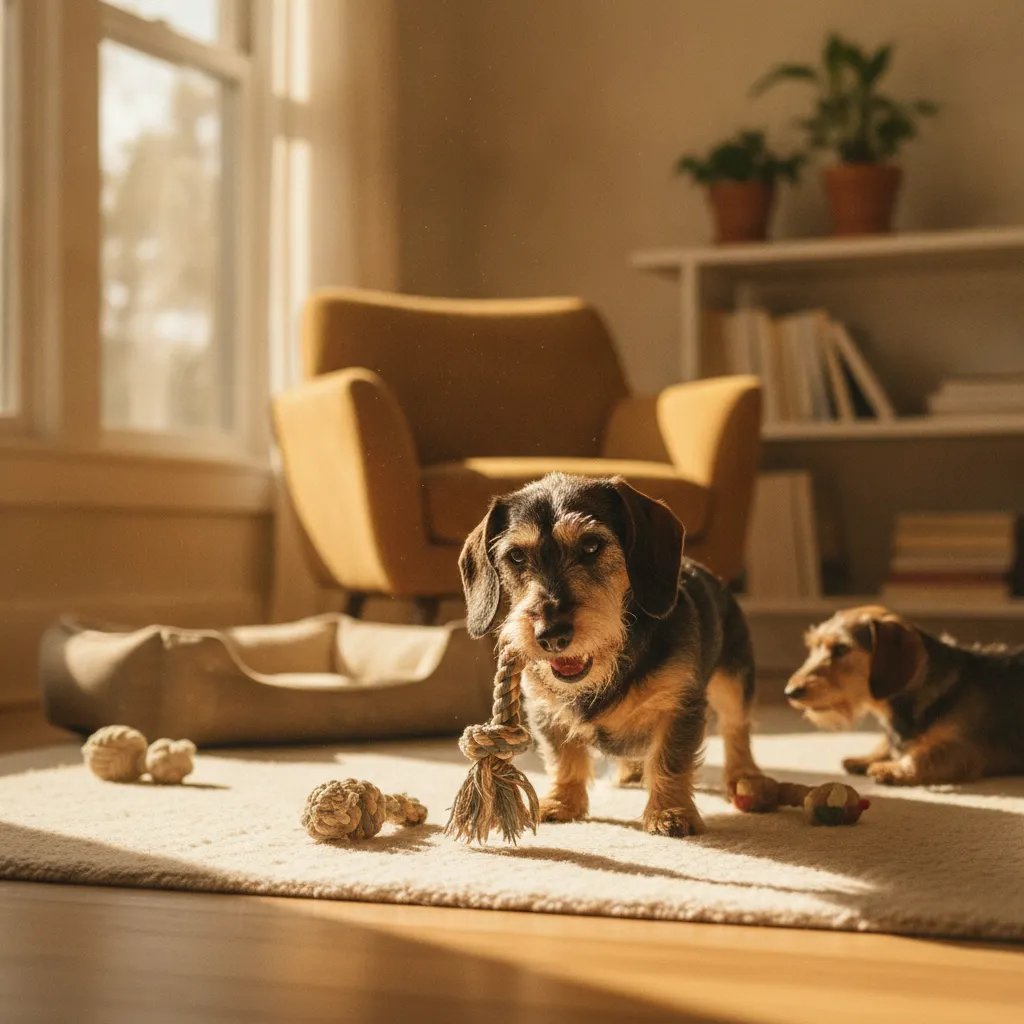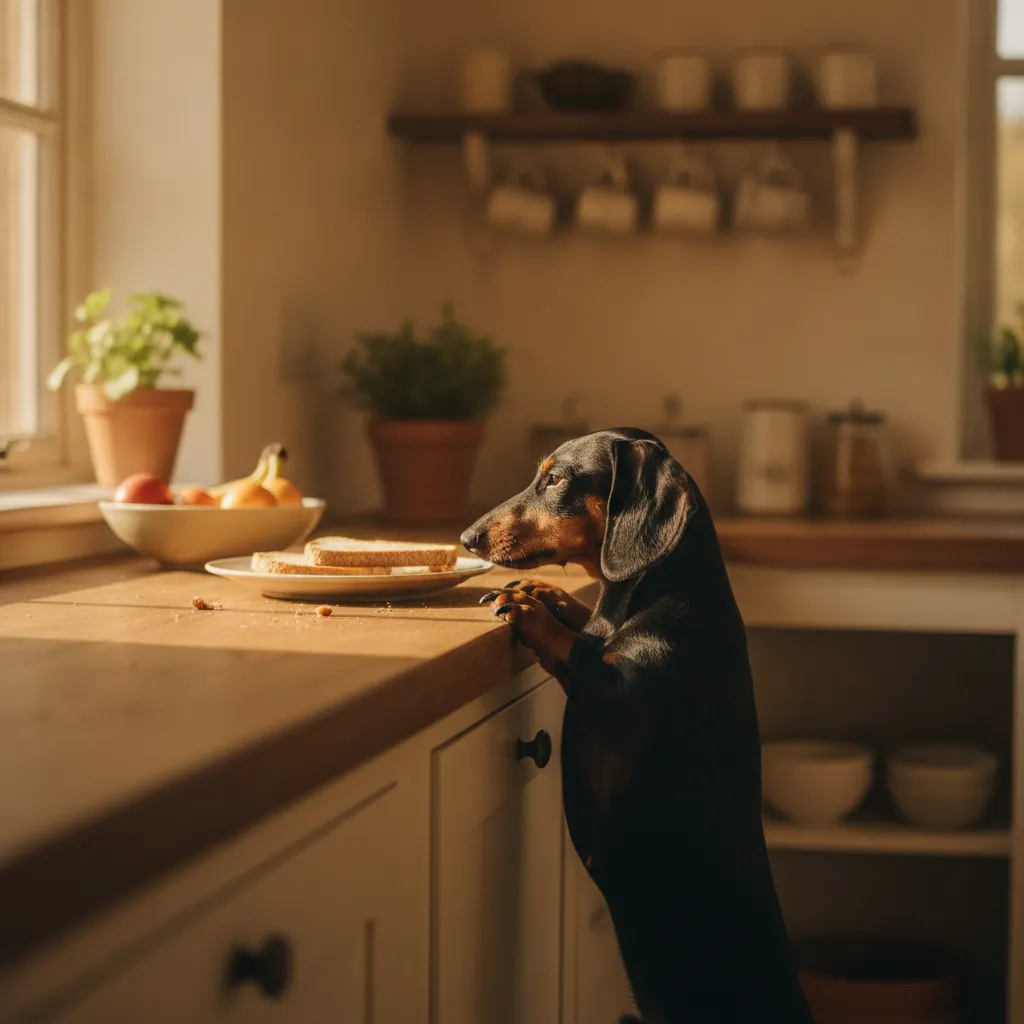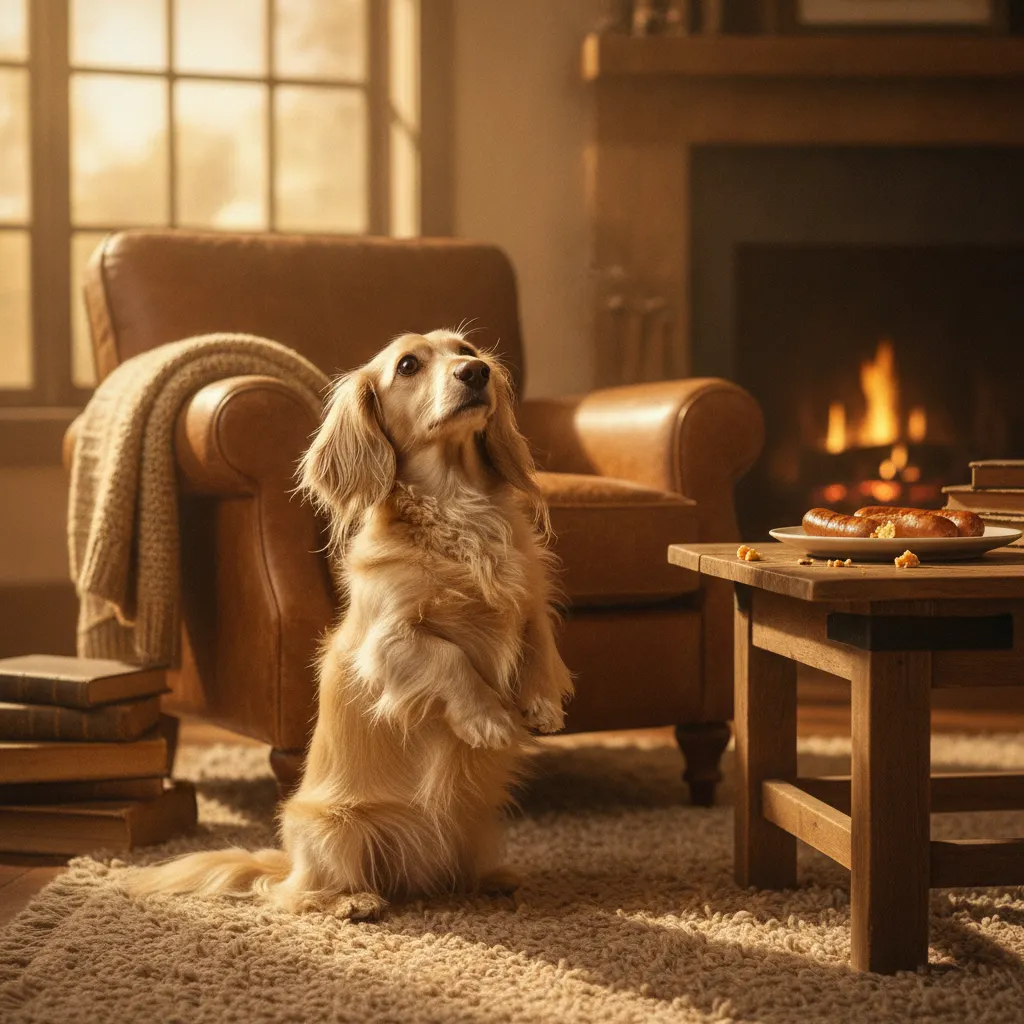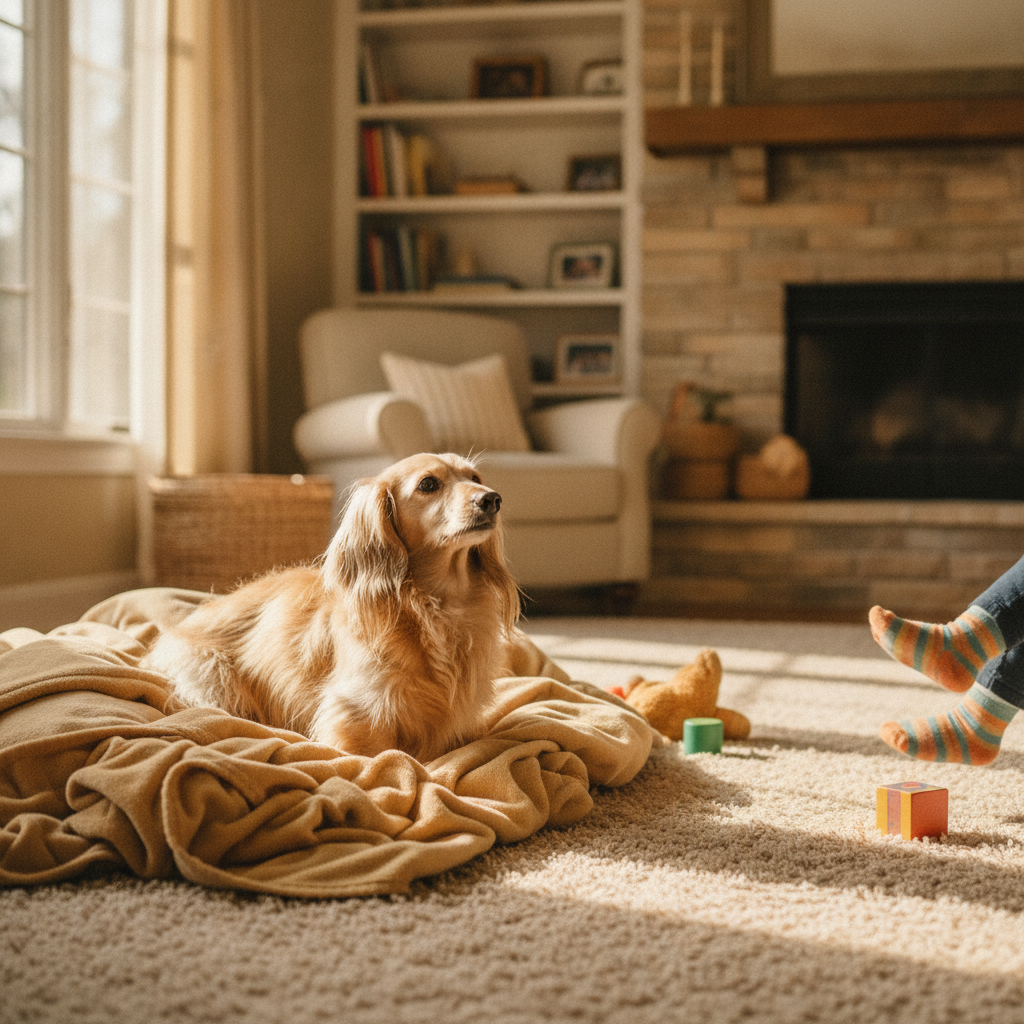
You see them trotting down the street, their little ears flopping, and your heart melts. Your child points and says, “That one! I want that one!” And you think, “A dachshund! They’re small, they’re cute, they’re perfect.” It seems like a brilliant solution. But then you hear the whispers from other dog owners, or you fall down a late-night Google rabbit hole. “They’re stubborn.” “They can be snappy.” “Their backs are so fragile.” Suddenly, the perfect choice feels like a huge, potentially heartbreaking risk.
The real problem isn’t just about finding a dog; it’s about the fear of making the wrong choice for your family. You’re picturing joyful afternoons in the backyard, but you’re terrified of ending up with a dog that doesn’t mesh with your kids, or worse, a dog that gets hurt. The stakes feel impossibly high, and the conflicting advice is dizzying. You’re trying to add love and laughter to your home, not stress and vet bills.
Many parents are told the same old things: “It’s all in how you raise them,” or “Just socialize them early.” And while there’s truth to that, it’s a dangerously incomplete picture. It completely ignores 600 years of carefully crafted DNA. Telling a dachshund not to be stubborn or suspicious of strangers is like telling a fish to enjoy a nice walk in the park. It goes against their very nature. This kind of advice sets you up for frustration and guilt, making you feel like a failure when your doxie is simply being a doxie.
So let's reframe this. The question isn't, “Are dachshunds good family dogs?” The real, more useful question is, “Is my family a good fit for a dachshund?” This simple shift changes everything. It moves the focus from judging the dog to understanding it. It’s about honestly assessing your family’s lifestyle, your children’s ages and temperaments, and your home environment to see if it aligns with what this unique breed truly needs to thrive. It’s a partnership, not a purchase.
So, Are Dachshunds Good Family Dogs for Your Home?
To answer that, we need to look past the cute face and into the mind of a badger hunter. Yes, a badger hunter. That’s not a joke. These long little dogs were bred in Germany to be incredibly brave, independent, and a little bit ferocious. They were designed to dive into a dark tunnel, face a cornered, angry badger, and make their own decisions without waiting for a human’s command. Now, picture that same operating system running in your living room. The stubbornness you hear about? That’s independent decision-making. The loud, booming bark from such a small body? That’s a built-in security alarm system. The relentless digging in your couch cushions? That’s the instinct to burrow and create a safe den. As I often say, your doxie isn’t being bad—they are being a dachshund. Once you understand their history, their behaviors start to make a whole lot more sense. You can read more about this in my article on why dachshunds burrow under blankets.
The Big Question: How Are Dachshunds with Children?
This is the heart of the matter for most parents. And I’m going to give you the honest truth I’ve learned over nearly 20 years with my own doxies, Marley and Mia: Dachshunds are generally better suited for families with older, respectful children. This isn’t because they are mean dogs; it’s for two very specific and important reasons that are directly tied to their breeding and their unique physique.
Reason 1: That Precious, Fragile Back
First and foremost, we have to talk about their long spine. Their unique shape makes them prone to a devastating condition called Intervertebral Disc Disease (IVDD). A single wrong move—being picked up incorrectly, a jump off the couch, or an accidental trip from a running toddler—can lead to a ruptured disc, paralysis, and emergency surgery. It’s every doxie owner’s worst nightmare. Young children, with all their wonderful energy and clumsiness, are an unintentional risk. They don’t mean any harm when they try to scoop the dog up for a hug or when they tumble over them during playtime, but the consequences can be catastrophic. An older child, say 8 or 9 and up, can understand and follow the strict rule: “We never, ever pick up the dachshund.” It’s a matter of safety, and it’s non-negotiable. Protecting that back is priority number one, which is why I’m so passionate about simple things like making sure your home is set up for their safety. You can learn some easy ways to do this by reading about how to 'Dachshund-Proof' your home.
Reason 2: The Patience Meter of a Badger Hunter
Remember that badger hunter DNA? Badgers aren't known for their gentle nature, and the dogs bred to confront them weren't selected for endless patience. A dachshund is not a Golden Retriever who will blissfully tolerate having their ears and tail pulled. When a doxie feels threatened, uncomfortable, or is in pain, their instinct is not to run away but to stand their ground. A growl or even a warning snap is their way of communicating, “Stop. I don’t like that.” A young child may not recognize or respect these signals, which can lead to a bad situation for everyone. It’s not malice on the dog’s part; it’s self-preservation. They are fiercely loyal and loving, but they demand a certain level of respect for their space and their bodies. They often bond intensely with one person and can see the rest of the family as their beloved pack, but they don't always have the built-in, saint-like patience for the unpredictable behavior of very small kids.
Creating a Doxie-Friendly Family: The Rules for Success
If your heart is still set on a dachshund and you have children, success is absolutely possible, but it requires commitment and clear rules from day one. It’s less about training the dog and more about training the family.
Rule #1: The Floor is the Only Zone. This is the golden rule. Children must be taught from the very beginning that they are never, under any circumstances, to pick up the dachshund. They can pet the dog, sit on the floor with the dog, and play gently with the dog, but their feet stay on the ground. Teach them to sit and let the doxie come to them for affection.
Rule #2: Respect the Sanctuary. Every dog needs a safe space, a den where they can retreat and know they won’t be bothered. Whether it’s a crate or a cozy bed in the corner, this spot is a strict no-kid zone. If the dog is in their bed, they are left alone. This gives them an essential escape hatch when the household energy gets too high.
Rule #3: Supervise All Interactions. Never, ever leave a young child and a dachshund unattended. It only takes a second for an accident to happen. Active supervision allows you to intervene and teach in real-time, guiding your child on how to pet gently and reminding them to give the dog space.
Rule #4: Become a Translator. You have to teach your kids how to speak “dog.” Explain what a stiff body means, what a “whale eye” (when you see the whites of their eyes) signifies, and that a growl is a warning to be thankful for, not punished. When kids understand the dog’s communication, they are better equipped to respect it.
With my own doxies, Marley and Mia, I’ve seen these rules work. When my young nieces and nephews visit, the first thing we do is review the “doxie rules.” The kids know that gentle pets are welcome and that the dog beds are off-limits. Because of this, Marley and Mia are relaxed and happy around them. It’s all about setting everyone up for success. And remember, training a dachshund requires a special touch. They are too smart for their own good and brilliantly stubborn. You have to make them think your idea was their idea all along. If you want a laugh and some real-world advice, check out my guide on how to 'speak dachshund' and train them.
So, are dachshunds good family dogs? They can be absolutely wonderful family dogs, full of personality, humor, and immense loyalty, but they thrive in the *right* family. A family with older kids who can be gentle and respectful, a family who understands their history, and a family committed to protecting that long little back. It’s not a simple yes or no, but with the right knowledge and commitment, they can bring an incredible amount of joy to your home.
If you truly want to understand what’s going on in that long, clever head of theirs—why they do the funny, frustrating, and endearing things they do—the key is learning to see the world from their perspective.
Understanding their core instincts is the first step to a beautiful life together. It transforms frustration into appreciation and helps you become the leader your smart, sensitive dachshund needs.
Get the free Dachshund Behavior DecoderFrequently Asked Questions
At what age are children generally old enough for a dachshund?
While every child is different, a general guideline is around 8 or 9 years old. At this age, children can better understand and consistently follow crucial safety rules, like not picking the dog up and respecting its personal space, which is vital for preventing back injuries.
Are miniature dachshunds better with families than standard ones?
Temperament doesn't vary significantly based on size, but the risk factor does. A miniature dachshund's back is even more delicate, making them more vulnerable to injury from rough play with a small child. The rules of gentle handling and supervision are equally, if not more, important for minis.
Do dachshunds get along with other family pets, like cats?
Many dachshunds live happily with cats and other dogs, especially if raised with them from a young age. However, their strong prey drive can sometimes kick in with smaller animals. A slow, supervised introduction is always essential for a peaceful multi-pet household.
Is a male or female dachshund better for a family?
Personality varies more by individual dog than by gender. Both males and females can be loving, stubborn, and loyal. The best fit for your family will depend on the specific dog's temperament rather than whether they are male or female.
I have a toddler but my heart is set on a dachshund. What's the most important thing?
If you have a toddler, the most critical factors are 100% constant supervision and management. This means using baby gates to create separate safe zones and actively teaching your child gentle interactions from day one. Answering the question "are dachshunds good family dogs" for your specific situation depends almost entirely on your commitment to this management.
Are dachshunds too energetic for a family that isn't super active?
Dachshunds have moderate energy levels. They need daily walks and playtime, but they aren't a high-endurance breed like a Border Collie. They are often just as happy to snuggle on the couch, making them a good fit for families who enjoy a mix of activity and cozy downtime.
dachshund temperament · dachshunds and kids · family dogs · dog breeds for families