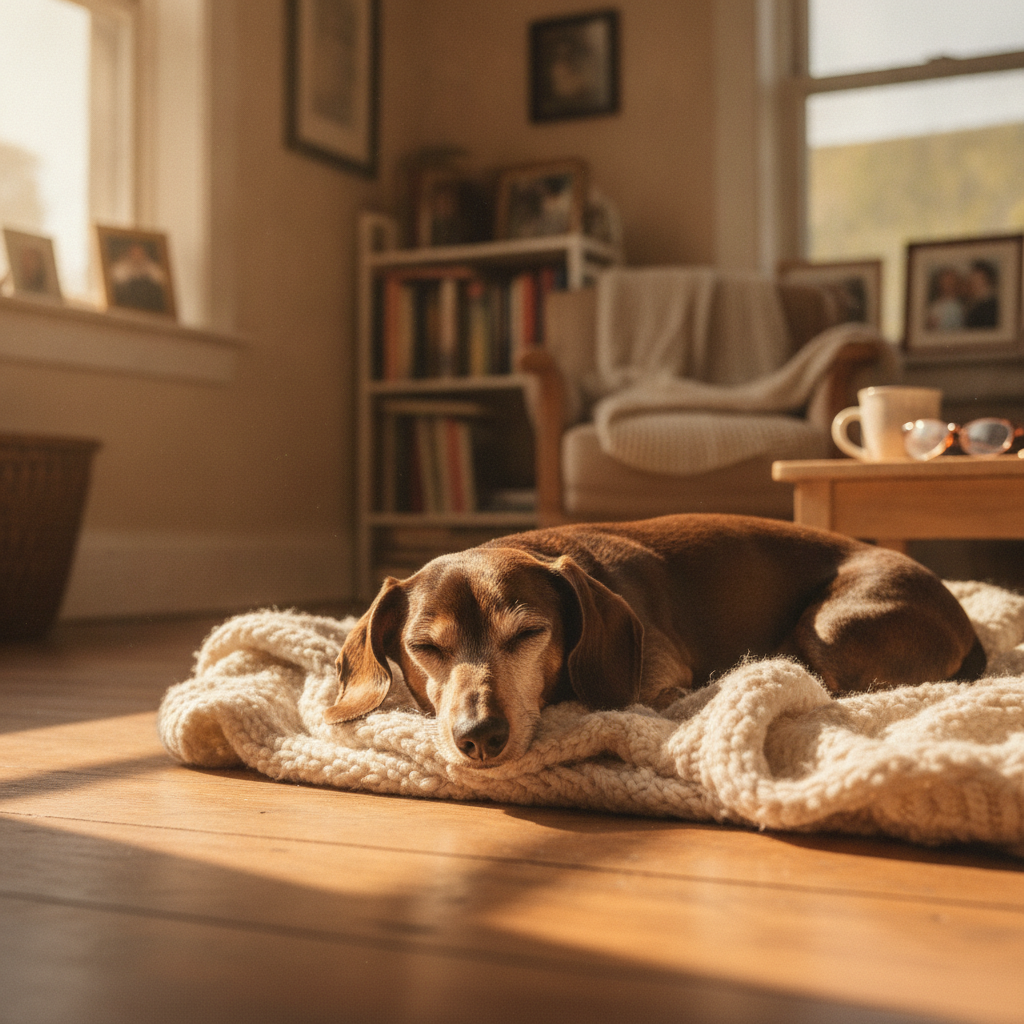
You saw the headline, didn’t you? My phone blew up the day it broke. “Germany is banning dachshunds!” friends texted me, complete with crying emojis. My heart did a little lurch, the same one I get when I see one of my two, Marley or Mia, even think about jumping off the couch. It’s a headline built to stop you mid-scroll. But here’s the thing: it’s not the full story. Not even close. And the real story is actually far more important for understanding the common dachshund health problems we all navigate.
That jolt is real, and I get it. Your dachshund isn’t just a dog; they’re the little heartbeat snoozing under the blankets at the foot of your bed. When you hear a word like “ban” associated with them, it feels personal. Then the scrolling starts - confusing legal jargon, angry forum posts, and clickbait that offers more fear than facts. You’re left worried about the future of the breed and unsure about your own dog’s well-being. Is their back okay? Are they in pain? Am I doing enough? That anxiety is exhausting, and it doesn’t actually help your dog.
The problem with the panic-and-Google cycle is that it focuses on the wrong thing. It has us looking at a government draft bill in another country instead of looking at the long little dog right in our own living room. The truth is, this German news isn't a sudden attack on our beloved sausage dogs. It's the public-facing part of a conversation that responsible breeders and owners have been having for decades: how do we love and protect this breed by prioritizing its health over extreme aesthetics? We can’t control the German government, but we have 100% control over how we care for our doxies. So let's reframe this. This isn't a reason to panic. It's a powerful reminder to be proactive.
So, What's Really Happening in Germany?
Let's clear the air. No, Germany is not rounding up dachshunds. The German Kennel Club (VDH) has been fighting a draft of an Animal Protection Act that targets what it calls “torture breeding.” This isn't specific to dachshunds but applies to any breed with characteristics that can lead to health issues. For doxies, the concern is primarily about an excessively long spine-to-leg ratio, which can increase the risk of Intervertebral Disc Disease (IVDD). The law aims to prevent breeders from intentionally producing dogs with these extreme features. It's aimed at future breeding practices, not at the doxie sleeping on your lap right now. Essentially, it’s a push for health-first breeding, which is something every true dachshund lover should support. It’s a clumsy, headline-grabbing attempt at addressing a very real issue: the well-being of the dogs we adore.
Beyond the Headlines: Your Proactive Dachshund Health Plan
Instead of worrying about international law, let’s channel that energy into a simple, proactive plan for your dachshund’s well-being. This isn’t about bubble-wrapping your dog; it’s about smart, loving management. It’s about shifting from fear to empowerment. For nearly 20 years, I’ve focused on a few core pillars of doxie health with my own dogs, and they are more relevant now than ever.
1. Protect That Long Little Back (Without the Panic)
IVDD is the one every doxie parent worries about. It’s a condition where the cushioning discs between the vertebrae can bulge or burst, pressing on the spinal cord. It can be serious, but it is not inevitable and it is not a sentence. The single most impactful thing you can do is manage their environment. Think of your home from their low-to-the-ground perspective. That couch is a mountain. That bed is a cliff. Repetitive jumping and high-impact landings are the enemy.
I call our living room a “ramp superhighway.” Marley and Mia have ramps to get onto the couch and our bed. It took a little training with treats, but now they use them automatically. It’s one of the simplest changes with the biggest payoff. For a full guide on this, you can read about how we 'Dachshund-Proof' our home to protect their backs. It’s not about restriction; it’s about providing safe alternatives.
Using a harness instead of a collar on walks is also crucial. A collar pulls on their delicate neck and can put strain on their spine, while a good-fitting harness distributes the pressure safely across their chest and shoulders. It’s a small switch that makes a huge difference over a lifetime of walks.
2. Master the Scales: Why Weight is Everything
If you do only one thing from this article, let it be this: keep your dachshund at a healthy, lean weight. A few extra pounds on a human is one thing; on a dachshund, it’s like a human carrying a heavy backpack 24/7. That extra weight puts constant strain on their long spine, which raises the risk of IVDD and other dachshund health problems. You should be able to easily feel their ribs without a thick layer of fat, and they should have a visible, tucked-up waist when you look at them from the side.
Doxies are masters of the “I’m starving” face. They have PhDs in manipulating you for one more bite. Trust me, my Mia could win an Oscar for her portrayal of a dog who hasn’t eaten in weeks. You have to be the strong one. Measure their food, be strict with treats (carrots and green beans are great low-cal options), and don’t give in to the sad eyes. A lean doxie is a healthier, happier doxie with a much better chance of avoiding back issues. If you're unsure what or how much to feed, we have a whole guide on the best food for dachshunds that focuses on this very topic.
3. Learn to 'Speak Dachshund': Know Their Normal
This is my golden rule, the one thing that will save you a thousand panicked late-night Google searches: Quirks are consistent; problems are a change. Your doxie has probably always been a bit dramatic, maybe yelped when you picked him up wrong once, or grumbled when you moved him off your spot. That’s a quirk. A problem is a sudden shift from their normal behavior. Is your normally food-obsessed dog suddenly uninterested in dinner? Is your high-energy dog now lethargic and refusing to play? Is he holding his head strangely, walking with a hunch, or crying out when you touch his back? Those are changes. Those are your signals to call the vet. Immediately.
Understanding their unique language is key. My Marley is a burrower, a true tunnel-dweller. If I found him sleeping on top of the covers, I’d be concerned because that's a change for him. Knowing your dog’s personal brand of weird is your superpower as an owner. It allows you to be a calm, observant parent, not an anxious one. If you want to get better at decoding their behavior, from the silly to the serious, it’s the first step to becoming their best health advocate.
You Are Your Dog's Best Advocate
The headlines from Germany land hard because they touch the thing we most want to protect. But the conversation isn't really about a ban. It's about a commitment to health. And that commitment doesn't start in a government building; it starts in our homes. It starts with ramps, with carefully measured meals, and with paying close enough attention to know the difference between a funny quirk and a real change. You are not powerless. Every single day, you make choices that protect your dachshund's health and happiness. The news cycle will move on, but your love and proactive care are what will truly define the future for your long little best friend.
Understanding their behavior is the foundation of proactive health. When you know why they do what they do, you're so much better at spotting when something is wrong. It's the key to everything.
Get the free Dachshund Behavior Decoder to learn the 'why' behind their quirky actions and become an even more confident doxie parent.
Frequently Asked Questions
So, did Germany actually ban dachshunds?
No, not at all. The German government proposed a draft law targeting “torture breeding” practices across all breeds. For dachshunds, it focuses on preventing breeders from selecting for extreme characteristics, like an overly long back, that can cause health issues. Your pet dachshund is perfectly safe.
What are the most common dachshund health problems I should know about?
The most well-known issue is Intervertebral Disc Disease (IVDD) due to their long spine. Other potential dachshund health problems include eye conditions like Progressive Retinal Atrophy (PRA), dental problems, and obesity, which significantly worsens the risk of IVDD. Proactive care can manage many of these risks.
What is IVDD and how can I prevent it?
IVDD is a condition where the discs between the vertebrae deteriorate and can press on the spinal cord. While there's a genetic component, you can dramatically reduce the risk by keeping your dachshund at a lean, healthy weight and preventing them from jumping on and off furniture. Using ramps or stairs is the single best preventative measure.
Does this German law affect my dachshund if I live in the US, UK, or elsewhere?
No, this is a German draft law and has no legal standing in other countries. However, it's part of a global conversation among responsible breeders and vets about prioritizing health in breed standards, which is a positive development for all dogs.
What is the most important thing I can do for my dachshund's health today?
Check their weight. Honestly assess if they are lean or carrying a few extra pounds. Controlling their weight is the single most impactful thing you can do to protect their back, joints, and overall health. It's a proactive step that costs nothing and pays huge dividends in their quality of life.
How can I find a responsible breeder who prioritizes health?
A responsible breeder will openly discuss the health of their dogs and provide proof of health screenings for conditions common in the breed, like PRA. They won't be breeding for extreme looks and will ask you just as many questions as you ask them to ensure their puppy is going to a good home.
dachshund health · IVDD · responsible breeding · dachshund care