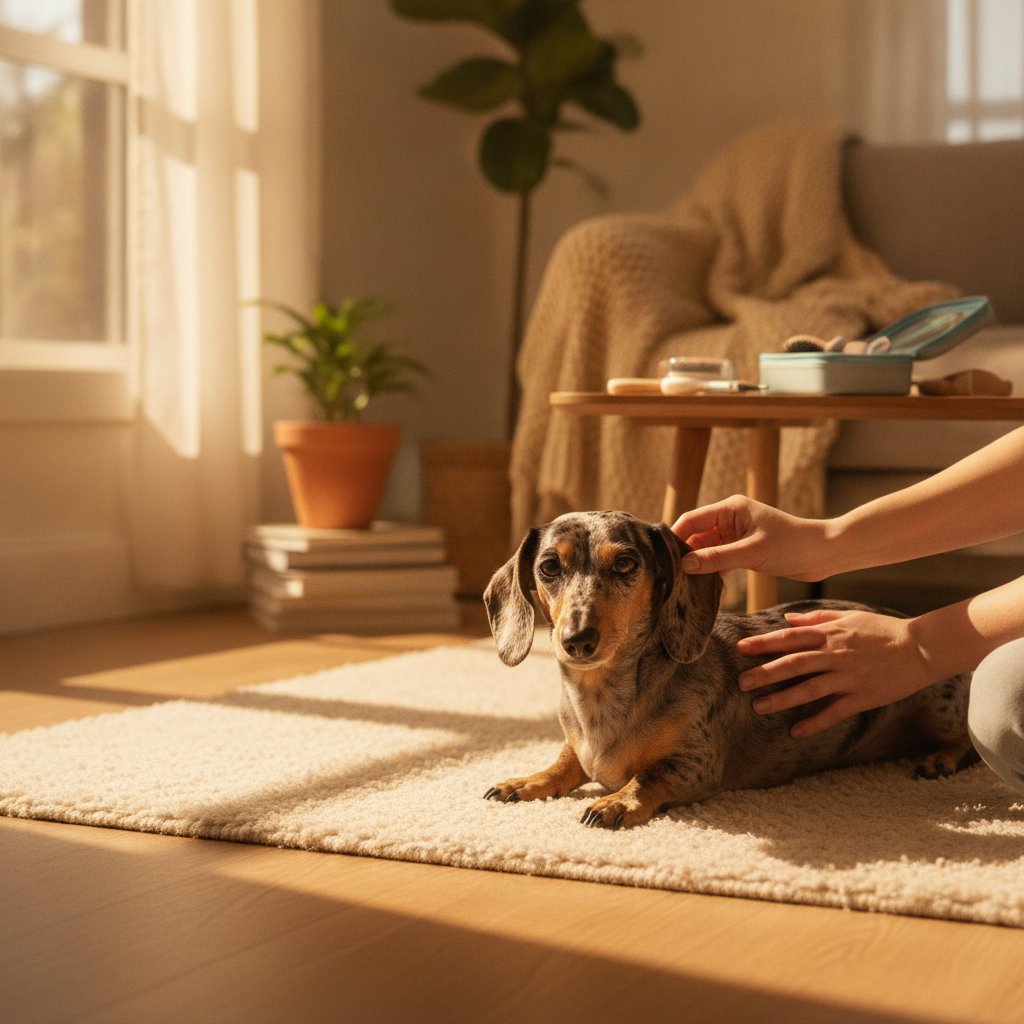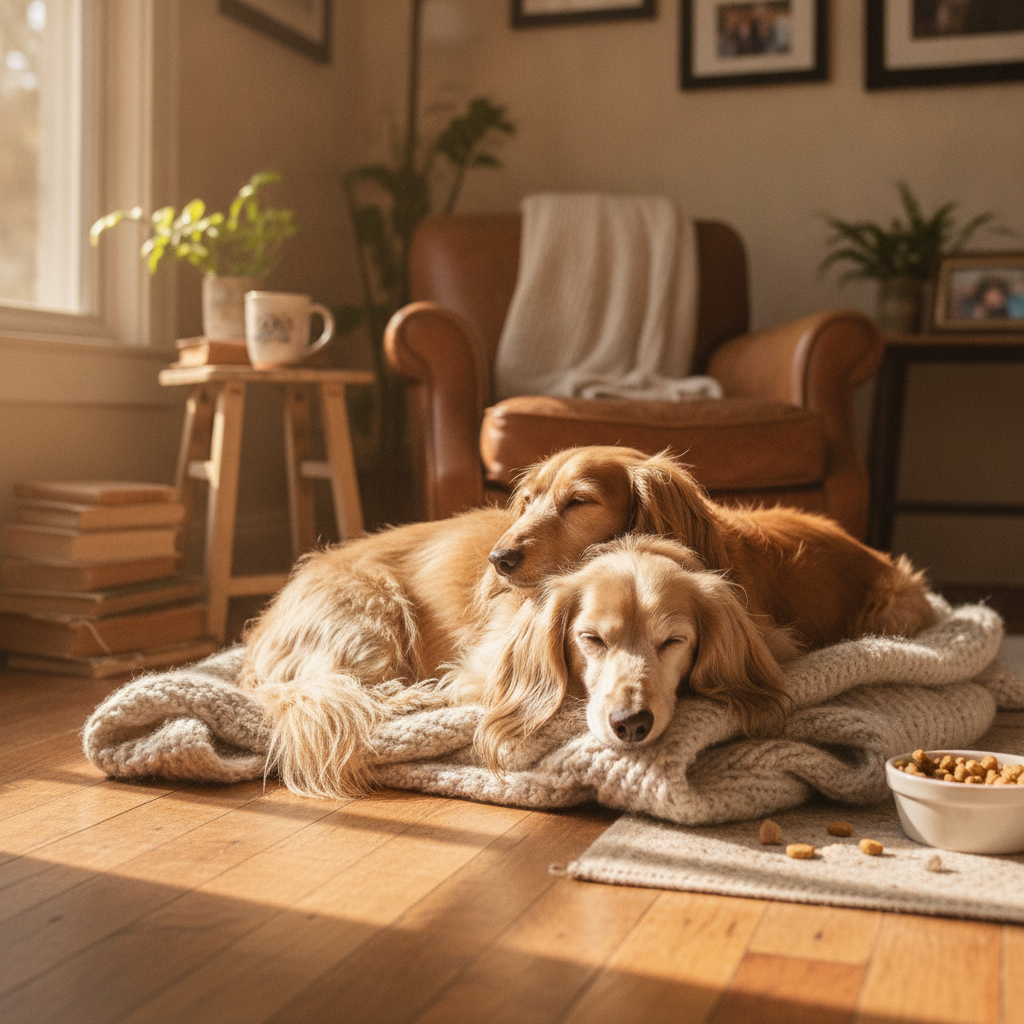
That first little sprinkle of grey on their muzzle. It happens so quietly you almost miss it, until one day the sunlight catches it just right and your heart does a little flip. Your wild, couch-digging, sock-stealing sausage is becoming a distinguished elder. And with that distinguished grey comes a whole new set of worries that can keep you up at night. Proper senior dachshund care isn't just about managing old age; it's about making their golden years as joyful and comfortable as their puppy years were chaotic and hilarious.
The problem is, you're now living with a low-rider who can't tell you what hurts. You see them hesitate before that tiny hop onto the ottoman that used to be effortless. You notice they’re sleeping more deeply, sometimes looking a little confused when they wake up. Your mind immediately goes to the worst places. Is it their back? Is it something serious? Your Google search history becomes a rabbit hole of symptoms and worst-case scenarios, and every article is either clinically cold or trying to sell you a miracle cure. You feel a constant, low-grade anxiety, a sense that you're missing something important.
So you try things. You buy the expensive new orthopedic bed, which they ignore in favor of a dirty sweatshirt you left on the floor. You try a new supplement you saw recommended online, but you’re not sure if it’s actually doing anything. You might even start limiting their activity so much that they seem bored and sad. You're trying to protect them, but you end up feeling more like a nervous helicopter parent than the fun, loving companion you've always been. Nothing feels quite right, and the worry doesn't go away.
Here’s the reframe that changed everything for me: You have to stop thinking of this as managing a decline and start thinking of it as curating their comfort. Your job isn't to stop them from getting old. Your job is to be the loving detective who notices the small things and makes simple adjustments that have a huge impact on their quality of life. It’s about proactive love, not reactive fear. You know your dog better than anyone on the planet. That knowledge is your superpower in these golden years.
What's the First Step in Senior Dachshund Care? Becoming a Detective.
This is the most important rule I can give you, and it will save you a hundred panicked late-night searches: Quirks are consistent; problems are a change. A behavior your doxie has always had is almost never an emergency. A sudden shift is your signal to pay closer attention. The first step in great senior dachshund care is to establish a clear baseline of what “normal” looks like for your dog right now.
What does this mean in practice? It means observing with gentle intent. Keep a little journal or a note on your phone. Don't make it a clinical chart; make it a love letter. Note things like:
- Energy Levels: How long is their morning walk before they start to slow down? Do they still get the zoomies after a bath?
- Appetite and Thirst: Are they finishing their bowl with the usual gusto? Are they suddenly drinking way more water than usual?
- Mobility: Are they moving smoothly? Do you notice any stiffness, especially after a nap? Are they still using the ramp you set up?
- Sleep Patterns: Are they sleeping more? (That's normal!) Are they restless at night, pacing, or seeming disoriented?
- Behavior: Are they more cuddly? More grumpy? Seeming anxious when you leave?
This isn't about diagnosing. It’s about collecting information so if you do need to call the vet, you can say, “For the last three days, Mia has been drinking twice her normal amount of water and isn't interested in her evening walk,” instead of just, “She seems off.” That kind of specific information is gold to a veterinarian. And remember, this is educational content, not a substitute for professional advice. Your vet is always the final authority on your individual dog's health.
How Do I Adapt My Home for a Senior Doxie?
Your dachshund’s world is, from their perspective, a land of giants. As they age, navigating that world gets harder. The goal is to make their environment work for them, reducing strain on their long back and aging joints. This is where you can make the biggest, most immediate impact on their comfort.
I've written a whole guide on how to 'Dachshund-Proof' your home, and every single tip in it is doubly important for a senior. The number one, non-negotiable rule is to eliminate jumping. No jumping on or off the couch. No jumping on or off the bed. Ramps are your new best friend. It might take a little training with high-value treats to get them used to it, but protecting that long little back is the most important thing we can do for them.
Here are a few other key adjustments:
- Flooring: Hardwood and tile floors are like ice rinks for older dogs with weakening legs. Runner rugs and non-slip mats in high-traffic areas can give them the traction they need to walk confidently without fear of slipping.
- Bedding: An orthopedic, memory-foam bed can make a world of difference for arthritic joints. Place it in a warm, draft-free spot where they love to snooze. You might need a few—one in the living room and one in the bedroom—so they always have a comfy place to land.
- Elevated Bowls: Raising their food and water bowls just a few inches off the floor can reduce strain on their neck and back, making mealtime more comfortable.
These small changes add up to a world that feels safer and more comfortable for your aging friend, allowing them to save their energy for the important things, like supervising you in the kitchen.
What Changes with Their Diet and Exercise?
Just like humans, a dachshund's nutritional and physical needs change as they enter their senior years. The metabolism slows down, and the boundless energy of youth gives way to a more... selective application of effort. Your goal is to keep them lean, strong, and mentally engaged.
Senior-Smart Nutrition
Weight management is absolutely critical for a senior dachshund. Every extra pound puts immense strain on their spine and joints. This is often the time to talk to your vet about switching to a senior-specific dog food. These formulas are typically lower in calories but have higher fiber to keep them feeling full. They also often include joint-supporting supplements like glucosamine and chondroitin.
My Mia has the world's most effective puppy-dog eyes, so I know how hard it is to cut back on treats. But instead of high-calorie junk, switch to healthy options like baby carrots, green beans, or small pieces of apple. For more ideas on what to feed them, you can check out our comprehensive dachshund feeding guide and adapt the principles for a senior's needs.
Gentle and Engaging Exercise
The days of five-mile hikes might be over, but that doesn't mean the adventures have to stop. Exercise is vital for maintaining muscle mass (which supports their back!), keeping joints lubricated, and providing mental stimulation. The new rule is “shorter and more frequent.” Instead of one long, taxing walk, try two or three shorter, leisurely strolls around the block. Let them sniff. Sniffing is the dachshund equivalent of reading the newspaper, and it's fantastic mental exercise.
Don't forget indoor activities! Food puzzles, snuffle mats, and gentle games of "find the treat" can keep their brilliant little minds sharp on days when the weather is bad or they're just not up for a long walk. A mentally tired dog is a happy dog, at any age.
Are More Vet Visits Really Necessary?
In a word, yes. But let's reframe this, too. These visits aren't about looking for what's wrong; they're about celebrating what's right and catching potential issues when they are small and manageable. Most vets recommend twice-yearly wellness checks for senior dogs (over the age of 8).
These visits give your vet a chance to do a full hands-on exam, checking for new lumps or bumps, listening to their heart and lungs, and assessing their mobility. It's also the perfect time for routine senior bloodwork. A blood panel can give you a peek under the hood, revealing early changes in kidney or liver function long before your dog ever shows a symptom. This is proactive care at its best.
This is also when you discuss things like dental health, which is a huge issue for dachshunds. A painful mouth can cause them to stop eating or act grumpy. Regular dental cleanings under anesthesia, while the thought can be stressful for us owners, are a cornerstone of keeping them healthy long-term. As doxies age, their lifespan can be greatly influenced by proactive care; you can learn more about what to expect in our article, How Long Do Dachshunds Live?.
You and your vet are a team. You bring the day-to-day observations from your detective work, and they bring the medical expertise. Together, you can create a plan that keeps your senior sausage feeling their best for as long as possible.
Watching them age is a bittersweet journey. The frantic puppy energy is replaced by a deep, soulful companionship that is truly special. They've been with you through so much. Now, you get to be there for them, ensuring their golden years are filled with soft beds, sunny spots, and the unwavering love they've always given you. And when you start to worry about their changing behaviors—the new anxieties, the moments of confusion—understanding the 'why' behind them can bring so much peace of mind. It helps you respond with compassion instead of frustration.
That's why we created our guide to their unique little minds. To help you become a more confident doxie parent, especially as they enter this new chapter. Get the free Dachshund Behavior Decoder and learn to speak their language even more fluently in their golden years.
Frequently Asked Questions
At what age is a dachshund considered a senior?
Dachshunds are generally considered seniors around 8 years of age. However, just like people, they all age differently! You might start noticing subtle changes in their energy levels, coat, or mobility around this time, which is a good signal to start incorporating senior dachshund care practices.
What are the most common health problems in senior dachshunds?
The most common issues are Intervertebral Disc Disease (IVDD), dental disease, arthritis, and vision or hearing loss. Cushing's disease and heart conditions can also appear in their senior years. Regular vet check-ups are the best way to monitor for these and catch them early.
How can I tell if my senior dachshund is in pain?
Dachshunds are masters at hiding pain. Look for changes from their normal behavior: reluctance to move or play, yelping when picked up, irritability, panting more than usual, a hunched posture, or a sudden loss of appetite. If you suspect pain, a call to your vet is always the right move.
Should I change my senior dachshund's food?
It's a very good idea to discuss this with your vet. Many senior formulas are lower in calories to prevent weight gain and contain supplements for joint health. Proper diet is a cornerstone of good senior dachshund care, as keeping them at a healthy weight is the best thing you can do for their back.
Is it normal for my senior doxie to sleep more?
Yes, it's completely normal for senior dogs to sleep more than they did when they were younger. The key is to watch for the quality of their awake time. If they are still engaged, happy, and interested in food and gentle walks when they are awake, increased sleep is usually just a normal part of the aging process.
What are signs of cognitive dysfunction (doggie dementia) in dachshunds?
Signs can include disorientation or confusion in familiar places, changes in sleep-wake cycles (like pacing at night), loss of house-training, and decreased interaction with family members. If you notice these signs, it's important to talk to your vet, as there are medications and strategies that can help manage the condition.
senior dogs · dachshund health · aging pets · dog care